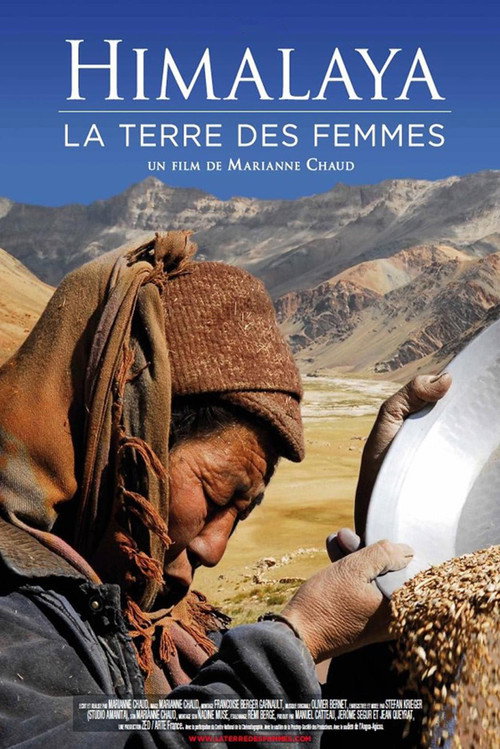
Himalaya: The Land of Women 2012
Directed by ethnologist Marianne Chaud, *Himalaya: The Land of Women* (2012) immerses viewers in the rugged beauty of Sking, a remote Himalayan village perched at nearly 4,000 meters.
Director: Marianne Chaud
Frequently Asked Questions
What is Himalaya: The Land of Women (2012) about?
This documentary follows the daily lives of women in Sking, a remote Himalayan village, as they race against the clock to gather food before winter's arrival. Filmed from the perspective of a young ethnologist, it captures their unyielding determination and the quiet beauty of their isolated world.
Who directed Himalaya: The Land of Women?
The film was directed by Marianne Chaud, a filmmaker and ethnologist whose intimate lens brings authenticity and depth to the project.
Who stars in Himalaya: The Land of Women?
Director information is not available.
Is Himalaya: The Land of Women (2012) worth watching?
As a documentary, it offers a rare, meditative glimpse into a world few will ever experience firsthand. Its poetic visuals and focus on resilience make it compelling for fans of slow-burning, atmospheric films, though it may not suit those seeking high-energy narratives.
How long is Himalaya: The Land of Women?
Runtime details are not listed.
About Himalaya: The Land of Women (2012) — A poetic dive into survival in the Himalayas
Directed by ethnologist Marianne Chaud, *Himalaya: The Land of Women* (2012) immerses viewers in the rugged beauty of Sking, a remote Himalayan village perched at nearly 4,000 meters. Through the eyes of a young female researcher, the documentary captures the relentless rhythm of life in Zanskar as women of all ages battle against time and nature to prepare for winter's harsh grip. From sunrise to long after dusk, these resilient villagers harvest crops, weave survival, and confront the looming quiet of a frozen landscape where every decision matters. The film is a poetic meditation on resilience, community, and the unyielding strength of women in one of the world's most unforgiving environments.
Chaud's lens transforms this documentary into more than just a record of survival—it becomes a visual poem, blending raw realism with lyricism. The camera lingers on worn hands, weathered faces, and the stark, breathtaking backdrop of the Himalayas, inviting audiences to witness both struggle and serenity. *Himalaya: The Land of Women* is a testament to the human spirit's ability to thrive where nature demands everything.