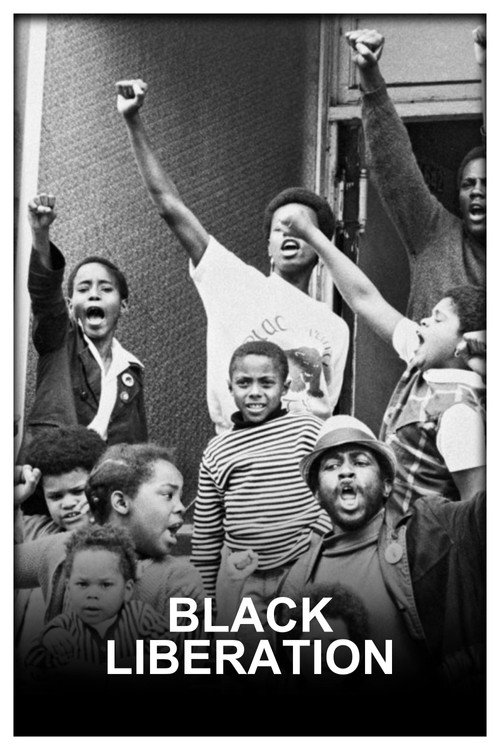
Black Liberation 1967
In the heat of 1967, radical filmmaker Édouard de Laurot crafted a searing documentary that pulses with the urgency of its title—Black Liberation.
Director: Édouard de Laurot
Cast
Frequently Asked Questions
What is Black Liberation (1967) about?
This powerful short documentary captures the pulse of African-American resistance in 1960s New York through stirring speeches, street-level footage, and archival text. It's a direct response to systemic oppression, voiced through collaboration with Malcolm X and narrated by Ossie Davis.
Who directed Black Liberation?
Black Liberation was directed by Édouard de Laurot, a radical filmmaker and theorist known for his engagé cinema that blended political urgency with artistic vision.
Who stars in Black Liberation?
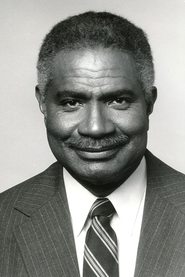
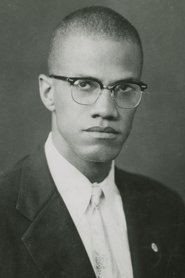
The film features voice narration by Ossie Davis and draws on the influential presence of Malcolm X, presented through revolutionary text and archival material.
Is Black Liberation (1967) worth watching?
Though unrated, Black Liberation is a vital artifact of civil rights-era cinema. Its 37 minutes pack historical weight and emotional intensity, offering a rare firsthand perspective on one of history's most critical movements. It's essential viewing for students of activism and documentary film.
How long is Black Liberation?
Black Liberation runs for 37 minutes.
About Black Liberation (1967) — A 1960s documentary pulsing with revolutionary energy
In the heat of 1967, radical filmmaker Édouard de Laurot crafted a searing documentary that pulses with the urgency of its title—Black Liberation. Narrated by the resonant voice of Ossie Davis and shaped in close partnership with Malcolm X, this 37-minute visual manifesto stitches together revolutionary speeches, street-level footage from New York, and raw archival text into a call to action that feels as urgent today as it did over half a century ago. The film isn't just a historical record; it's a cinematic weapon, blending cinéma engagé with unflinching realism to spotlight the daily struggles and systemic oppression faced by African Americans during a pivotal era in civil rights history.
Black Liberation (1967) isn't just a film—it's a time capsule of defiance, capturing the unfiltered voices of resistance amid smoldering cityscapes and charged public spaces. Directed by de Laurot, a pioneer of politically engaged cinema, the documentary immerses viewers in a world where words ignite movements and every frame feels like a protest. It's raw, urgent, and unapologetically direct—a forgotten gem that challenges viewers to confront the past in order to understand the present.