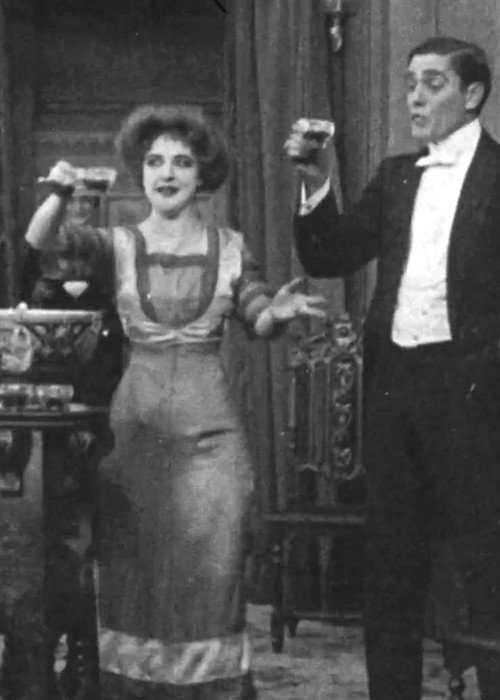
The Day After 1909
Directed by silent-era pioneer D.W. Griffith, *The Day After (1909)* is a short comedy that follows the Hiltons, a well-to-do couple hosting a New Year's Eve gathering.
Director: D.W. Griffith
Cast
Frequently Asked Questions
What is The Day After (1909) about?
This early silent comedy explores a New Year's Eve party where a married couple's resolve to avoid alcohol crumbles under the weight of temptation. The next morning, both wake up to a shared sense of guilt and awkwardness that forces them to confront their behavior.
Who directed The Day After?
The film was directed by D.W. Griffith, a titan of early American cinema known for innovating narrative techniques and influencing generations of filmmakers.
Who stars in The Day After?
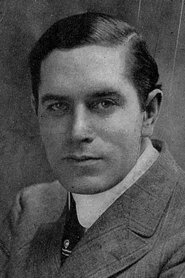
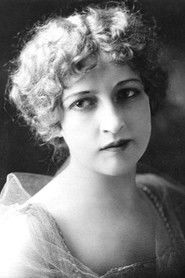
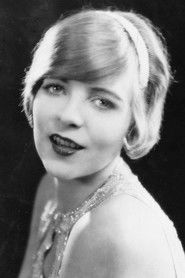
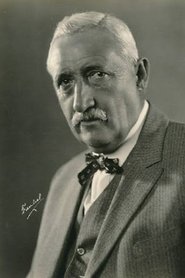
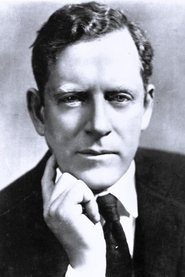
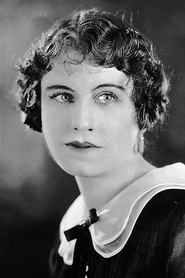
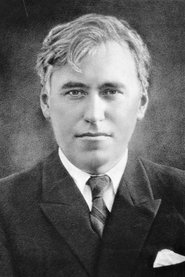
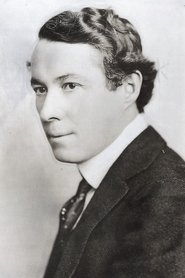
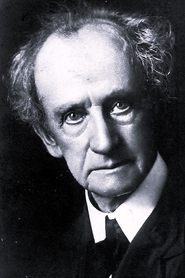
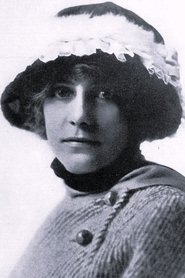
The lead roles are played by Arthur V. Johnson and Marion Leonard, with standout performances from Blanche Sweet and George Nichols rounding out the cast.
Is The Day After (1909) worth watching?
As a 1909 silent short, it's more of a historical curiosity than a modern cinematic masterpiece, but Griffith's direction and the cast's physical comedy make it a charming glimpse into the past. If you're a silent film enthusiast or studying early cinema, it's absolutely worth a look.
How long is The Day After?
The Day After has a runtime of 9 minutes.
🎥 Trailer
About The Day After (1909) — A Silent Comedy Classic on New Year's Regrets
Directed by silent-era pioneer D.W. Griffith, *The Day After (1909)* is a short comedy that follows the Hiltons, a well-to-do couple hosting a New Year's Eve gathering. Their initial determination to avoid the spiked punch quickly dissolves as the festivities take hold, leading to a morning of regret for both as they grapple with their choices. Griffith's early film blends lighthearted merriment with subtle social commentary, capturing the universal tension between self-control and indulgence.
Starring Arthur V. Johnson and Marion Leonard as the Hiltons, with Blanche Sweet and George Nichols rounding out the ensemble, this nine-minute comedy drips with the playful charm of early cinema. Themes of accountability and the fragility of virtue unfold against a backdrop of glittering confetti and half-empty glasses, all shot in Griffith's signature style.