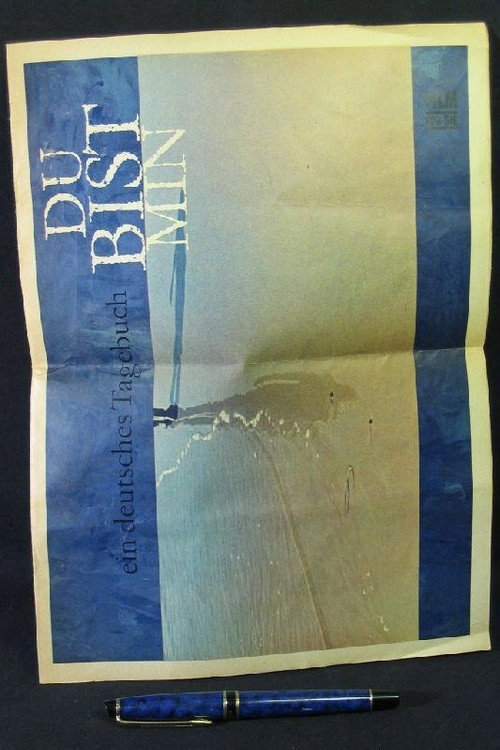
Diary of a German Woman 1969
In *Diary of a German Woman* (1969), director Hans-Joachim Funk crafts a deeply personal documentary that weaves together the intimate reflections of a woman's diary to explore life in Cold War-era Germany.
Director: Hans-Joachim Funk
Frequently Asked Questions
What is Diary of a German Woman (1969) about?
This documentary follows a woman's diary entries to explore life in Cold War-era Germany, blending personal reflections with the political and social divides of the era. It captures the tension between idealism and reality in both East and West Germany.
Who directed Diary of a German Woman?
The film was directed by Hans-Joachim Funk, a filmmaker whose work often delves into historical and social themes.
Who stars in Diary of a German Woman?
Director information is not available.
Is Diary of a German Woman (1969) worth watching?
As a documentary rooted in historical perspective, *Diary of a German Woman* offers a unique glimpse into a pivotal era, though its political themes may appeal more to fans of German history or Cold War narratives. Its poetic approach makes it a niche but rewarding watch.
How long is Diary of a German Woman?
The runtime of *Diary of a German Woman* is 111 minutes.
About Diary of a German Woman (1969) — A poetic documentary on Cold War Germany's divided heart
In *Diary of a German Woman* (1969), director Hans-Joachim Funk crafts a deeply personal documentary that weaves together the intimate reflections of a woman's diary to explore life in Cold War-era Germany. Based on Annelie's real-life journal entries, the film originally aimed to paint a poetic vision of the GDR's utopian ideals while sharply critiquing the Federal Republic, yet its ambitious narrative was later pared back during production. Blending political commentary with lyrical storytelling, the movie captures the tension of a divided nation, where beauty and conflict coexist in the shadows of the Berlin Wall.
Funk's direction infuses the documentary with a melancholic yet hopeful tone, blending stark realism with fleeting moments of transcendence. The film's themes of identity, division, and the search for meaning resonate beyond its historical context, offering a poignant reflection on belonging and the human spirit in turbulent times.