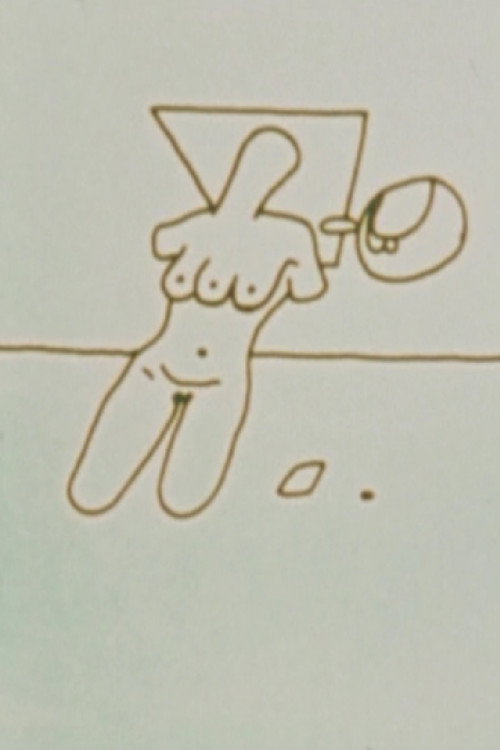
Flesh Flows 1974
Flesh Flows (1974), a six-minute experimental animation by visionary artist Adam Beckett, immerses viewers in a hypnotic dance of spatial and temporal transformation.
Director: Adam Beckett
Frequently Asked Questions
What is Flesh Flows (1974) about?
Flesh Flows (1974) is a short experimental animation that explores the fluidity of movement and time. Beckett's film plays with cycles of expansion and contraction, where abstract shapes evolve into organic forms, creating a surreal, looping visual experience.
Who directed Flesh Flows?
Flesh Flows was directed by Adam Beckett, a groundbreaking animator known for his innovative techniques and contributions to experimental filmmaking.
Who stars in Flesh Flows?
Cast details for Flesh Flows are not publicly listed, as the film is an abstract animation without traditional performers.
Is Flesh Flows (1974) worth watching?
While Flesh Flows is a niche experimental film, its technical brilliance and hypnotic visuals make it a fascinating watch for fans of avant-garde cinema. With no IMDb rating, its value lies in Beckett's visionary approach rather than mainstream appeal.
How long is Flesh Flows?
Flesh Flows runs for 6 minutes.
About Flesh Flows (1974) — Adam Beckett's Hypnotic Experimental Animation Masterpiece
Flesh Flows (1974), a six-minute experimental animation by visionary artist Adam Beckett, immerses viewers in a hypnotic dance of spatial and temporal transformation. The film's fluid visuals oscillate between forward momentum and cyclical expansion, where each completed movement seamlessly merges into the next, creating an endless loop of organic motion. Beckett's pioneering techniques transform abstract shapes into living, breathing entities, evoking a sense of cosmic rhythm and surreal metamorphosis. Preserved by the Academy Film Archive in 2007, this avant-garde masterpiece challenges conventional animation, blending science fiction aesthetics with raw lyrical intensity.
The atmosphere of Flesh Flows is both disorienting and mesmerizing, as Beckett's handcrafted techniques—using cut-outs, optical printing, and hand-drawn layers—produce a tactile, almost three-dimensional effect. The film's themes of flux and transience mirror the human experience of time, inviting viewers to lose themselves in a kaleidoscopic dreamscape where boundaries between creation and decay blur.