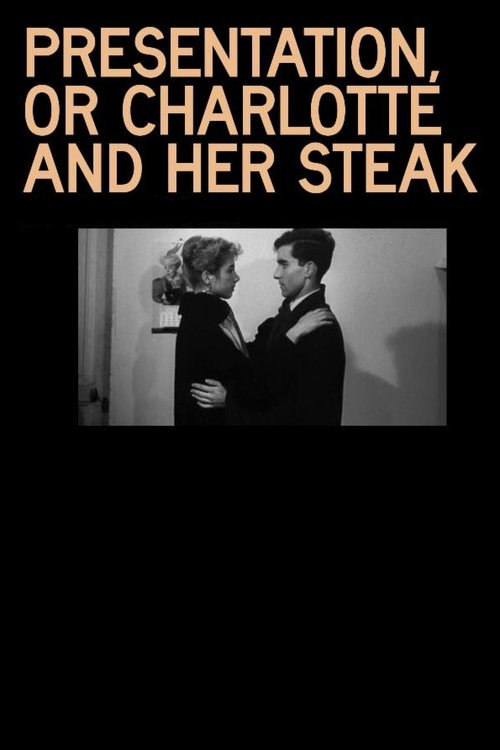
Presentation, or Charlotte and Her Steak 1951
Éric Rohmer's early short film *Presentation, or Charlotte and Her Steak (1951)* captures a frosty Alpine afternoon where emotions simmer beneath the surface, wrapped in crisp Swiss air and quiet village charm.
Director: Éric Rohmer
Cast



Frequently Asked Questions
What is Presentation, or Charlotte and Her Steak (1951) about?
This short comedy-romance follows Walter's attempt to ignite jealousy in Charlotte by introducing her to Clara, only for the meeting to spark a deeper, unexpected connection. Set against a snowy Swiss backdrop, the film examines beauty, attraction, and the tension between social games and genuine emotion.
Who directed Presentation, or Charlotte and Her Steak?
Éric Rohmer, the French New Wave pioneer known for his insightful character studies and dialogue-driven narratives.
Who stars in Presentation, or Charlotte and Her Steak?
The film features Jean-Luc Godard, Anna Karina, Stéphane Audran, Anne Couderet, and Andrée Bertrand in key roles.
Is Presentation, or Charlotte and Her Steak (1951) worth watching?
Though unrated on IMDb, this 12-minute gem offers a rare glimpse into Rohmer's early style and the talents of Godard and Karina before they became icons. Its concise storytelling and atmospheric setting make it a charming watch for fans of short films and New Wave cinema.
How long is Presentation, or Charlotte and Her Steak?
The film runs for 12 minutes.
About Presentation, or Charlotte and Her Steak (1951) — Éric Rohmer's 12-Minute Alpine Romance
Éric Rohmer's early short film *Presentation, or Charlotte and Her Steak (1951)* captures a frosty Alpine afternoon where emotions simmer beneath the surface, wrapped in crisp Swiss air and quiet village charm. At its heart, this 12-minute comedy-romance explores the fragile dance of love and jealousy as Walter coaxes Charlotte into a social meeting, only for tensions to rise when beauty, honesty, and attraction collide inside Charlotte's home. What begins as a calculated experiment in matchmaking spirals into an unexpected, fleeting moment of intimacy—leaving both the characters and the audience to wonder what might have been before their paths drift apart once more.
Rohmer's deft direction infuses the story with understated wit and a keen eye for human behavior, while the snowy setting mirrors the cold hesitations that thaw only briefly. It's a snapshot of mid-century European life, where social norms and personal desires play out in microcosm—perfect for fans of subtle, character-driven storytelling.