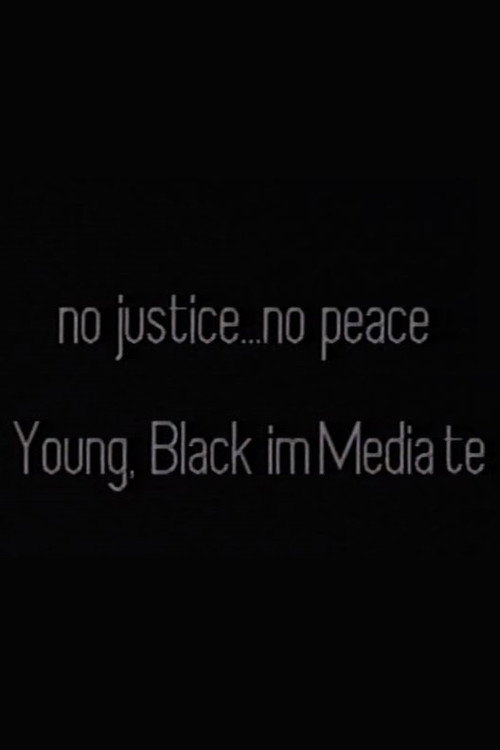
No Justice . . . No Peace/Black, Male ImMediate 1991
Crafted as a graduate thesis film by director Portia Cobb, *No Justice . . . No Peace/Black, Male ImMediate* (1991) is a raw, 14-minute cinematic essay that confronts the systemic policing of young Black men in America.
Director: Portia Cobb
Frequently Asked Questions
What is No Justice . . . No Peace/Black, Male ImMediate (1991) about?
This graduate thesis film by Portia Cobb examines the policing of young Black men in America, using the 1992 Rodney King trial verdict as a pivotal backdrop. It critiques the violence against Black lives—both by police and vigilantes—and how these injustices fueled movements for racial equity.
Who directed No Justice . . . No Peace/Black, Male ImMediate?
Portia Cobb directed this powerful short film during her graduate studies at San Francisco State University.
Who stars in No Justice . . . No Peace/Black, Male ImMediate?
Cast details for the 1991 film are not publicly documented.
Is No Justice . . . No Peace/Black, Male ImMediate (1991) worth watching?
As a 14-minute historical artifact, it offers a stark, unfiltered look at social issues that remain painfully relevant. While not a mainstream narrative film, its documentary-style urgency makes it a compelling watch for those interested in racial justice and cinema as activism.
How long is No Justice . . . No Peace/Black, Male ImMediate?
The film runs for 14 minutes.
About No Justice . . . No Peace/Black, Male ImMediate (1991) — Portia Cobb's striking essay on policing and justice
Crafted as a graduate thesis film by director Portia Cobb, *No Justice . . . No Peace/Black, Male ImMediate* (1991) is a raw, 14-minute cinematic essay that confronts the systemic policing of young Black men in America. Through stark visuals and unflinching narrative, Cobb weaves a timely warning about the escalating violence—both state-sanctioned and civilian—that would eventually erupt into national outrage. The film's haunting atmosphere lingers with the weight of history, foreshadowing the 1992 acquittal of officers in the Rodney King beating and the urgent cries for justice that followed. Cobb's graduate work at San Francisco State University transcends academia, capturing the simmering tension of a society where Black lives are policed with impunity, planting the seeds for movements like Black Lives Matter.
The film's themes are as urgent today as they were in 1991, blending documentary urgency with artistic introspection. Cobb's lens doesn't just document tragedy—it holds a mirror to America's moral failures, exposing the everyday brutality faced by Black communities. *No Justice . . . No Peace/Black, Male ImMediate* is a time capsule of frustration and defiance, a short but impactful work that refuses to let viewers look away from the injustices that shape modern discourse.