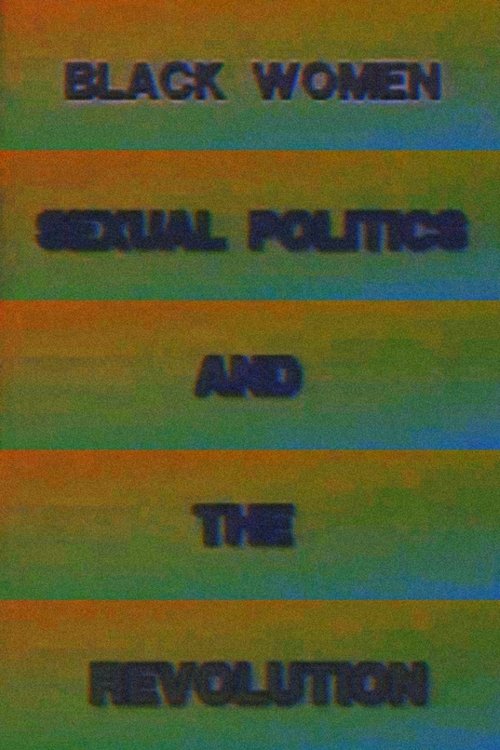
Black Women, Sexual Politics and the Revolution 1992
Cyrille Phipps' *Black Women, Sexual Politics and the Revolution* (1992) dives into the raw, unfiltered conversations around sexual equality within the Black community, blending intimate personal stories with broader social commentary.
Director: Cyrille Phipps
Cast
Frequently Asked Questions
What is Black Women, Sexual Politics and the Revolution (1992) about?
This documentary examines the intersections of sexual equality, power, and liberation within the Black community, centering Black women's experiences in a movement that often overlooks them. It blends personal narratives with historical analysis to highlight systemic inequities and the fight for justice.
Who directed Black Women, Sexual Politics and the Revolution?
The film was directed by Cyrille Phipps, a filmmaker known for tackling social and political themes in documentary form.
Who stars in Black Women, Sexual Politics and the Revolution?
Vernice D. Miller, LaRose Parris, Carletta Joy Walker, Michele Wallace, and Samuel Mark Anderson lead the cast, offering perspectives from activism to academia.
Is Black Women, Sexual Politics and the Revolution (1992) worth watching?
While unrated, this short but impactful documentary provides a vital lens into underrepresented voices. Its exploration of power and equality makes it a compelling watch for anyone interested in social justice, even if it's raw and challenging in places.
How long is Black Women, Sexual Politics and the Revolution?
The documentary runs for 30 minutes.
About Black Women, Sexual Politics and the Revolution (1992) — A Raw Look at Equality in the Black Community
Cyrille Phipps' *Black Women, Sexual Politics and the Revolution* (1992) dives into the raw, unfiltered conversations around sexual equality within the Black community, blending intimate personal stories with broader social commentary. This 30-minute documentary explores how power dynamics, gender roles, and liberation intersect, creating a charged atmosphere that feels both urgent and deeply personal. Through candid interviews and archival footage, it challenges viewers to reckon with the complexities of identity, autonomy, and justice in a movement that often sidelines Black women's experiences.
The film doesn't shy away from controversy, instead leaning into the discomfort to spark dialogue about liberation that's truly inclusive. With contributions from scholars and activists like Michele Wallace, the documentary paints a vivid portrait of resistance, resilience, and the fight for recognition in spaces where Black women's voices have historically been marginalized.