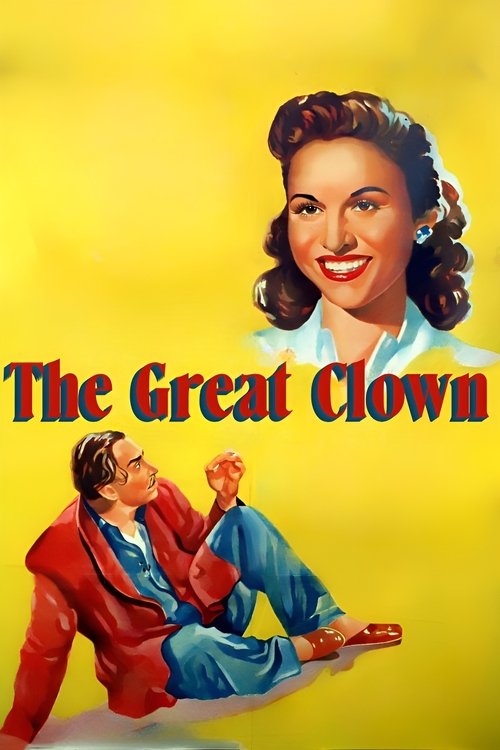
The Great Clown 1952
The Great Clown (1952) tells the story of Shehata Effendi, a modest clerk who finds himself entangled in an unusual arrangement with a wealthy woman.
Director: Youssef Chahine
Cast



Frequently Asked Questions
What is The Great Clown (1952) about?
The film follows Shehata Effendi, a clerk who marries a wealthy woman after her third divorce, only to inherit her fortune when she dies, leading him to consider marrying his former neighbor.
Who directed The Great Clown?
The film was directed by Youssef Chahine, a prominent figure in Egyptian cinema known for his socially conscious storytelling.
Who stars in The Great Clown?
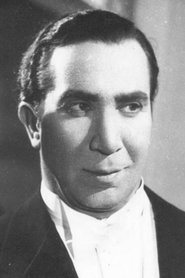
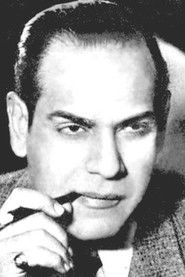
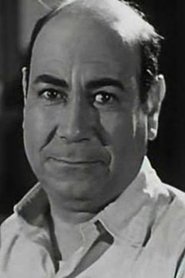
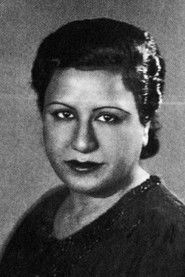
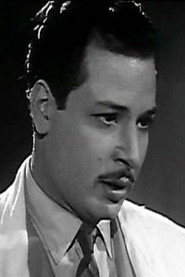
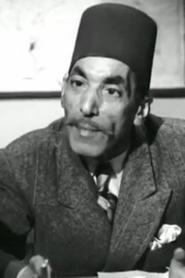
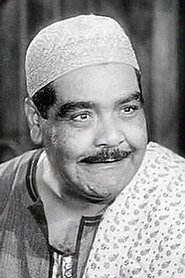
The main cast includes Faten Hamama, Youssef Wahby, Serag Mounir, Hassan Fayek, and Ferdoos Mohamed.
Is The Great Clown (1952) worth watching?
As an unrated drama from a legendary director, it offers historical value and insight into 1950s Egyptian society, making it worthwhile for fans of classic cinema and cultural studies.
How long is The Great Clown?
The film runs for 110 minutes.
The Great Clown: A clerk's unexpected rise to wealth — Full Movie Info
The Great Clown (1952) tells the story of Shehata Effendi, a modest clerk who finds himself entangled in an unusual arrangement with a wealthy woman. When her husband divorces her for the third time, she turns to Shehata as a solution, leading to a marriage that takes an unexpected turn. Directed by the renowned Youssef Chahine, this dramatic tale explores themes of social class, fate, and human desperation in mid-20th century Egypt.
The film features a distinguished ensemble cast including Faten Hamama and Youssef Wahby, whose performances bring depth to this complex narrative. With its focus on personal struggle and moral choices, The Great Clown (1952) offers a compelling glimpse into Egyptian society and human nature. The 110-minute runtime allows for careful character development as Shehata navigates sudden wealth and shifting loyalties.
This classic drama showcases Chahine's early directorial vision, combining social commentary with intimate storytelling. The atmosphere reflects the period's cultural tensions, making it a noteworthy entry in Arabic cinema history.