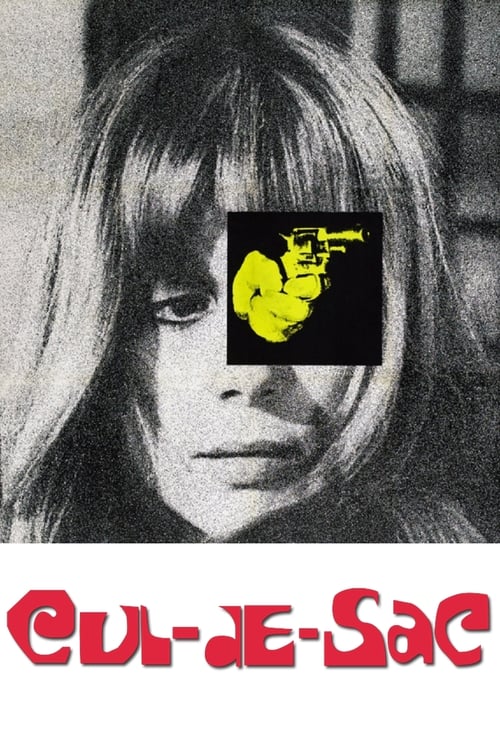
Cul-de-sac 1966
"Sometimes there’s nothing left to do but laugh!"
Roman Polanski's *Cul-de-sac (1966)* is a razor-sharp thriller that blends dark humor with existential dread against the eerie backdrop of a remote castle.
Director: Roman Polanski
Cast
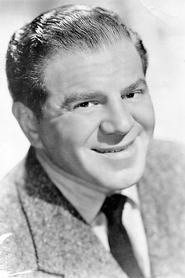
Lionel Stander
Richard
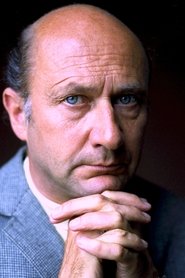
Donald Pleasence
George

Françoise Dorléac
Teresa
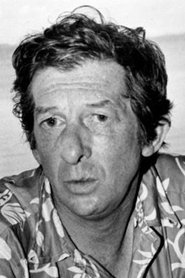
Jack MacGowran
Albie

Iain Quarrier
Christopher

Jacqueline Bisset
Jacqueline

Renée Houston
Christopher's Mother
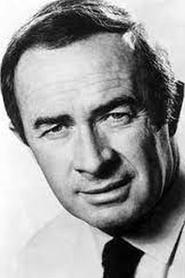
William Franklyn
Cecil
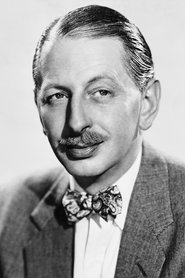
Geoffrey Sumner
Christopher's Father
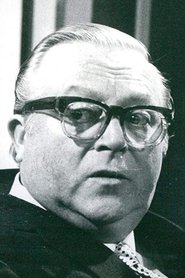
Robert Dorning
Philip Fairweather
Frequently Asked Questions
What is Cul-de-sac (1966) about?
The film follows two wounded gangsters on the run who take shelter in a remote castle, only to find their situation spiraling into psychological warfare. As the home's owners—an anxious man and his mysterious wife—become unwilling participants, the line between hunter and prey dissolves in unexpected ways.
Who directed Cul-de-sac?
Roman Polanski directed *Cul-de-sac* (1966), showcasing his signature blend of suspense and dark comedy.
Who stars in Cul-de-sac?
The cast includes Lionel Stander, Donald Pleasence, Françoise Dorléac, Jack MacGowran, and Jacqueline Bisset in key roles.
Is Cul-de-sac (1966) worth watching?
If you crave films that twist suspense with psychological depth, *Cul-de-sac* is a must-see. Its unsettling atmosphere and stellar performances make it a standout in Polanski's filmography, even if it's not as widely known as his later works. Fans of *Rosemary's Baby* or *Repulsion* will find plenty to appreciate here.
How long is Cul-de-sac?
*Cul-de-sac* (1966) runs for 112 minutes, or just under two hours.
🎥 Trailer
About Cul-de-sac (1966) — Roman Polanski's twisted thriller of crime and chaos
Roman Polanski's *Cul-de-sac (1966)* is a razor-sharp thriller that blends dark humor with existential dread against the eerie backdrop of a remote castle. The film follows two desperate gangsters, fleeing their crimes and seeking refuge, who stumble upon the isolated home of a timid man and his bewitching wife. What begins as a tense standoff quickly spirals into a surreal exploration of power, paranoia, and the absurdity of human nature. As the gangsters' plans unravel, the boundaries between captor and captive blur, revealing a psychological battleground where nothing—least of all the characters' motives—is as it seems.
Shot in stark black-and-white, Polanski crafts an atmosphere thick with tension and unease, where every creaking floorboard and whispered word feels laden with danger. The performances—particularly Donald Pleasence's twitchy, haunted man and Françoise Dorléac's enigmatic, seductive wife—elevate the film from a simple crime story into a meditation on isolation and the fragility of control. *Cul-de-sac (1966)* is a masterclass in suspense, where laughter and dread coexist in uneasy harmony.