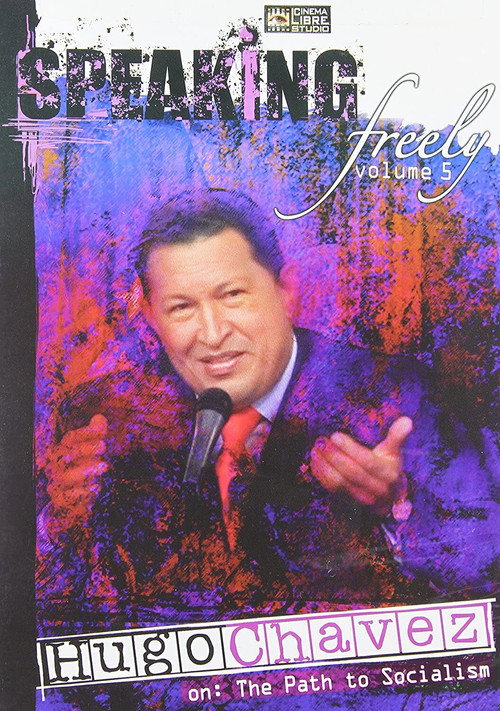
Speaking Freely Volume 5: Hugo Chavez 2008
In *Speaking Freely Volume 5: Hugo Chavez* (2008), Venezuelan President Hugo Chávez engages in a raw, unfiltered dialogue with the international press, dissecting the stark contrasts between socialism and capitalism.
Director: Philippe Diaz
Cast
Frequently Asked Questions
What is Speaking Freely Volume 5: Hugo Chavez (2008) about?
This documentary captures Hugo Chávez's direct address to the international press, where he critiques capitalism's flaws and advocates for socialism as a path to true democracy. The film contrasts his vision of participatory governance with the realities of privatization and foreign intervention.
Who directed Speaking Freely Volume 5: Hugo Chavez?
Philippe Diaz directed this documentary, known for his work in politically charged and socially conscious films.
Who stars in Speaking Freely Volume 5: Hugo Chavez?
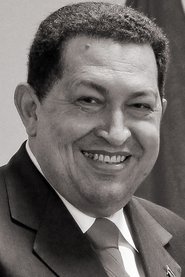
The documentary features Venezuelan President Hugo Chávez as the central speaker, engaging with members of the international press corps.
Is Speaking Freely Volume 5: Hugo Chavez (2008) worth watching?
While unrated on IMDb, this 52-minute documentary offers a unique, firsthand perspective on Chávez's political philosophy. It's a must-watch for those interested in socialism, democracy, or Latin American politics, though viewers should approach with an open mind.
How long is Speaking Freely Volume 5: Hugo Chavez?
The documentary runs for 52 minutes.
About Speaking Freely Volume 5: Hugo Chavez (2008) — Chávez's unfiltered take on socialism vs. capitalism
In *Speaking Freely Volume 5: Hugo Chavez* (2008), Venezuelan President Hugo Chávez engages in a raw, unfiltered dialogue with the international press, dissecting the stark contrasts between socialism and capitalism. Directed by Philippe Diaz, this compelling 52-minute documentary invites viewers into a fiery debate where Chávez champions a model of governance rooted in collective participation and social equity. Against the backdrop of global power struggles and economic disparities, the film paints a portrait of a leader unapologetically advocating for a system where resources and decision-making are democratized, challenging the dominance of privatization and foreign intervention.
With an atmosphere thick with ideological tension, the documentary doesn't just present arguments—it immerses audiences in the mindset of a figure who sees true democracy as inseparable from economic justice. As Chávez dismantles the myths of capitalism, the film becomes both a historical artifact and a provocative exploration of governance, power, and humanity's role in shaping society.