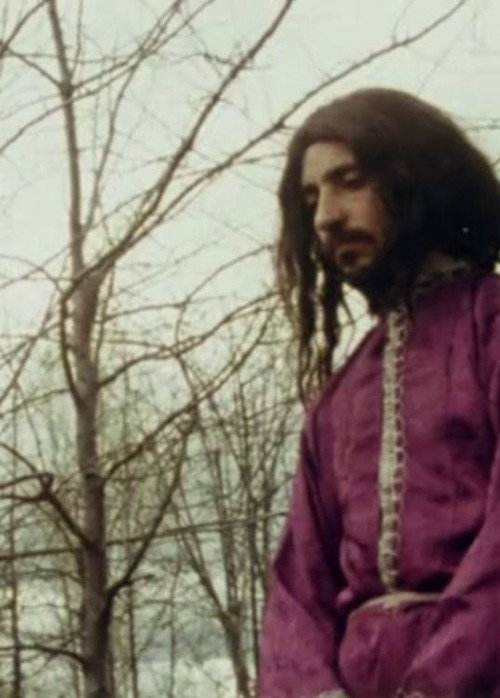
Terra de abril (Vilar de perdizes) 1977
Captured in the spring of 1976, *Terra de abril (Vilar de perdizes) (1977)* offers a quietly powerful glimpse into rural Portugal two years after the Carnation Revolution.
Director: Anna Glogowski
Frequently Asked Questions
What is Terra de abril (Vilar de perdizes) (1977) about?
This documentary immerses viewers in a rural Portuguese village preparing its annual Passion of the Christ performance in 1976, two years after the Carnation Revolution. The film contrasts the timelessness of community tradition with the quiet stirrings of a changing nation.
Who directed Terra de abril (Vilar de perdizes)?
Anna Glogowski directs this reflective documentary, weaving cultural storytelling with historical context.
Who stars in Terra de abril (Vilar de perdizes)?
The film features the entire village of Vilar de Perdizes as its cast, with no named lead actors—its strength lies in the collective portrayal of community tradition.
Is Terra de abril (Vilar de perdizes) (1977) worth watching?
Though unrated and niche, this 87-minute documentary offers a unique snapshot of post-revolution Portugal, blending cultural insight with quiet cinematic beauty. Fans of poetic, observational documentaries will find it rewarding, even if it's not widely known.
How long is Terra de abril (Vilar de perdizes)?
The film runs for 87 minutes.
About Terra de abril (Vilar de perdizes) (1977) — A Village's Passion Play Captures Portugal's Pulse
Captured in the spring of 1976, *Terra de abril (Vilar de perdizes) (1977)* offers a quietly powerful glimpse into rural Portugal two years after the Carnation Revolution. Director Anna Glogowski crafts a meditative documentary that follows a small village as it prepares for its annual Passion of the Christ performance—a tradition woven into the community's very fabric. The film folds historical change into intimate storytelling, placing viewers amid the village's preparations, where every inhabitant plays a role and the weight of tradition meets the promise of renewal. With a runtime of 87 minutes, this documentary unfolds with a natural rhythm, blending cultural ritual with the quiet pulse of everyday life.
Glogowski's lens finds poetry in the ordinary, framing the Passion play not just as a religious spectacle but as a living archive of collective memory. The film's atmosphere is contemplative yet grounded, touching on themes of faith, identity, and the slow burn of social transformation. Though sparse in dialogue, its visual storytelling lingers, inviting audiences to reflect on how communities hold onto meaning in times of upheaval. A hidden gem of Portuguese cinema, it's a work that lingers long after the final frame fades.