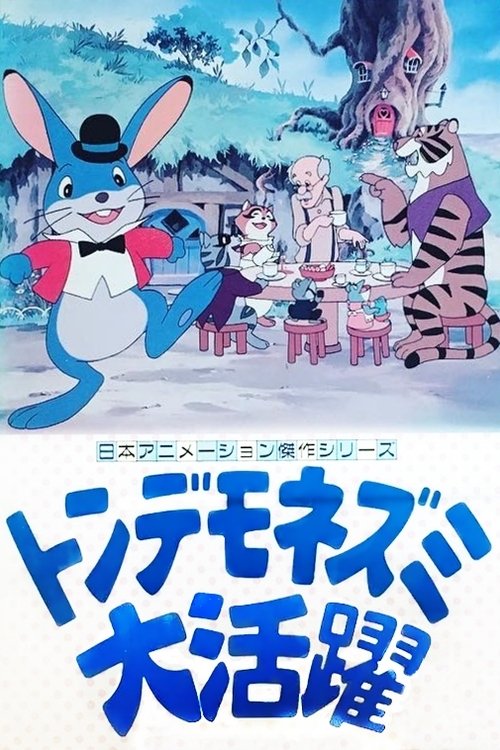
The Legend of Manxmouse 1979
In this 1979 animated adventure, *The Legend of Manxmouse*, a whimsical ceramic mouse springs to life, defying the ordinary.
Director: Hiroshi Saito
Cast








Frequently Asked Questions
What is The Legend of Manxmouse (1979) about?
This animated adventure follows a magical ceramic mouse who comes to life and discovers he's destined to be eaten by a Manxcat. Determined to defy fate, he embarks on a journey filled with quirky encounters and heartwarming lessons about courage.
Who directed The Legend of Manxmouse?
The film was directed by Hiroshi Saito, a Japanese animator known for his work in family-friendly animated projects.
Who stars in The Legend of Manxmouse?
The main cast includes Masako Nozawa as the Manxmouse, Banjo Ginga, Ichiro Nagai, Kazuhiko Inoue, and Kazuko Sugiyama.
Is The Legend of Manxmouse (1979) worth watching?
As a short but charming animated adventure, it's a delightful watch for families, offering a mix of humor and lighthearted themes. While it lacks a formal rating, its nostalgic appeal and unique storyline make it a hidden gem worth streaming.
How long is The Legend of Manxmouse?
The runtime is 75 minutes, perfect for a quick, engaging family viewing experience.
About The Legend of Manxmouse (1979) — A Classic Animated Tale of Courage and Curiosity
In this 1979 animated adventure, *The Legend of Manxmouse*, a whimsical ceramic mouse springs to life, defying the ordinary. Voiced by Masako Nozawa, this curious blue creature—known as a Manxmouse—ventures into a world where fate seems sealed: he's destined to be devoured by a Manxcat. Yet his fearless spirit drives him to challenge destiny itself, meeting an eclectic cast along the way, from a quirky frog couple to a daring aviator hawk and a stray tiger. Directed by Hiroshi Saito, this family-friendly tale blends adventure with heartfelt themes of curiosity and courage.
With its vibrant animation and gentle humor, *The Legend of Manxmouse (1979)* offers a charming journey for all ages. The film's lighthearted tone contrasts with its deeper exploration of destiny versus free will, making it a unique gem in 1970s family cinema.