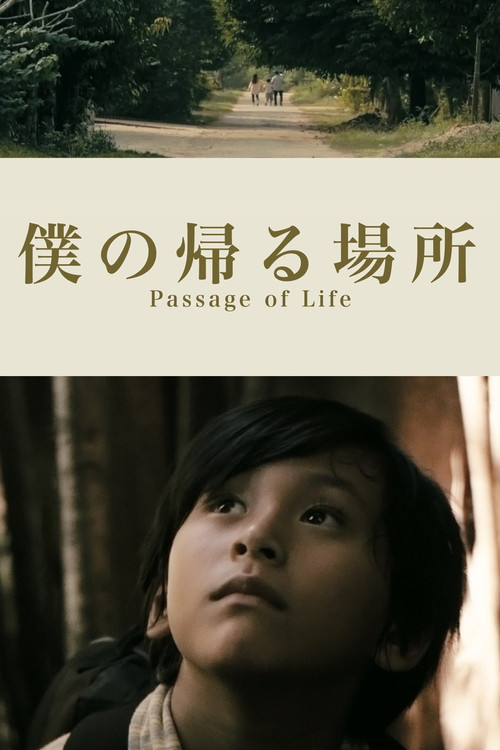
Passage of Life 2017
Akio Fujimoto's *Passage of Life (2017)* paints a poignant portrait of displacement and endurance, following Kaung, a Burmese boy whose family flees to Tokyo in pursuit of a brighter future.
Director: Akio Fujimoto
Cast

Frequently Asked Questions
What is *Passage of Life (2017)* about?
The film follows Kaung, a Burmese boy who moves to Tokyo with his family, hoping for a better life. Years later, their undocumented status strains their relationships, forcing them to confront the harsh realities of survival and belonging in a foreign land.
Who directed *Passage of Life*?
Akio Fujimoto directed *Passage of Life*, bringing a sensitive and understated approach to this intimate family drama.
Who stars in *Passage of Life*?
The film features Kaung Myat Thu, Khing Myat Thu, Issace, Htet Myat Naing, and Yuki Kitagawa in key roles.
Is *Passage of Life (2017)* worth watching?
While it's underrated, *Passage of Life* offers a moving exploration of migration and resilience. Its grounded drama and emotional depth make it a thoughtful choice for fans of character-driven films, even without a widely known rating.
How long is *Passage of Life*?
The film runs for 98 minutes.
🎥 Trailer
About Passage of Life (2017) — A Burmese Family's Quiet Struggle in Tokyo
Akio Fujimoto's *Passage of Life (2017)* paints a poignant portrait of displacement and endurance, following Kaung, a Burmese boy whose family flees to Tokyo in pursuit of a brighter future. Years later, their undocumented status grinds down their resilience, straining relationships and eroding the family's once-solid foundation. Set against the bustling yet indifferent streets of Tokyo, the film captures the quiet desperation of those living in the shadows, where every day is shadowed by the fear of deportation. Fujimoto crafts an emotionally raw drama that lingers on the fractures within a family clinging to hope amid crushing uncertainty.
Through minimalist storytelling and intimate performances, *Passage of Life (2017)* explores the psychological toll of statelessness, blending universal themes of migration with the specific struggles of Burmese refugees in Japan. The film's subdued tone reflects the family's exhaustion, yet it's punctuated by fleeting moments of warmth that underscore what they risk losing. A meditative yet urgent cinematic experience, it invites viewers to empathize with the invisible struggles of those caught between borders.