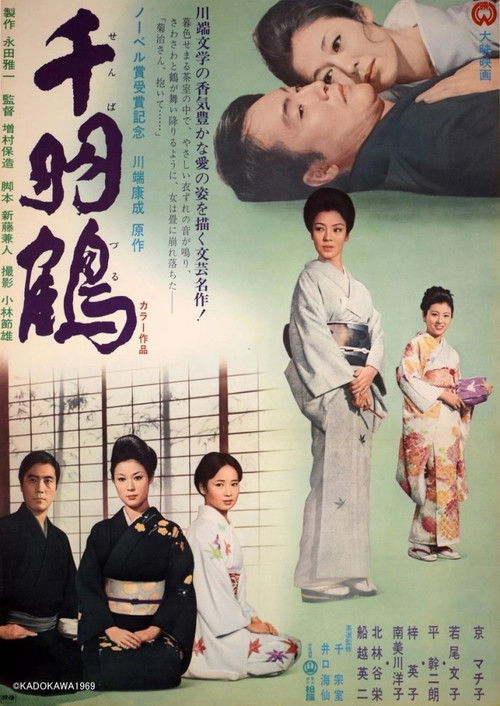
Thousand Cranes 1969
Yasuzō Masumura's *Thousand Cranes (1969)* weaves a haunting tale of love, tradition, and emotional entanglement set against the backdrop of post-war Japan.
Director: Yasuzō Masumura
Cast

Ayako Wakao
Mrs. Ota

Machiko Kyō
Chikako Kurimoto

Mikijiro Hira
Kikuji Mitani

Eiko Azusa
Fumiko
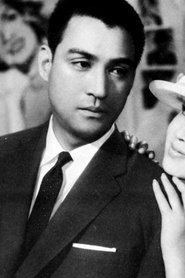
Eiji Funakoshi
Kikuji's father
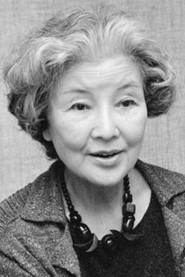
Tanie Kitabayashi
Toyo

Yôko Namikawa
Yukiko Inamura
Nobuko Shingu

Sumire Mikasa
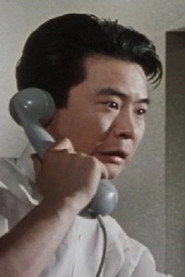
Yoshio Takee
Frequently Asked Questions
What is Thousand Cranes (1969) about?
The film follows Kikuchi Fumiko, a young man whose life becomes entangled with the women in his late father's circle, particularly his father's former mistress. As he navigates these complex relationships, themes of regret, tradition, and emotional inheritance come to the surface, revealing a story of unresolved connections and the lasting impact of the past.
Who directed Thousand Cranes?
Yasuzō Masumura directed *Thousand Cranes (1969)*. Known for his bold visual style and exploration of human psychology, Masumura crafts a film that balances restraint with deep emotional resonance.
Who stars in Thousand Cranes?
The film features Ayako Wakao, Machiko Kyō, Mikijiro Hira, Eiko Azusa, and Eiji Funakoshi in lead roles, with Tanie Kitabayashi rounding out the ensemble.
Is Thousand Cranes (1969) worth watching?
While *Thousand Cranes (1969)* is a slow-burn drama, its rich character studies and atmospheric storytelling make it a rewarding experience for fans of classic Japanese cinema. The film's themes of love and loss resonate deeply, offering a contemplative and visually striking narrative that lingers long after the credits roll.
How long is Thousand Cranes?
The runtime of *Thousand Cranes (1969)* is 96 minutes.
About Thousand Cranes (1969) — Masumura's Haunting Romance of Love and Memory
Yasuzō Masumura's *Thousand Cranes (1969)* weaves a haunting tale of love, tradition, and emotional entanglement set against the backdrop of post-war Japan. At its core, the film explores the intricate relationships between Kikuchi Fumiko, a young man navigating the lingering shadows of his late father's life, and the women who orbit his world—including his father's enigmatic former mistress, a woman of refined grace. As Fumiko drifts between these connections, the film examines the weight of memory, the fragility of human bonds, and the quiet devastation of desire. With its richly textured drama and sumptuous cinematography, the movie captures a mood of melancholic introspection, where every gesture and glance carries the weight of unspoken emotions. Based on the celebrated novel by Kawabata Yasunari, *Thousand Cranes* blends romance and tragedy into a poignant reflection on how the past shapes the present.
The cast, led by the luminous Ayako Wakao and the iconic Machiko Kyō, delivers performances that are as layered as the story itself, bringing depth to characters caught in cycles of longing and regret. Masumura's direction infuses every frame with a sense of quiet intensity, making *Thousand Cranes (1969)* a masterclass in emotional storytelling. Viewers drawn to slow-burn dramas rich with cultural nuance and psychological depth will find this film both mesmerizing and deeply moving.