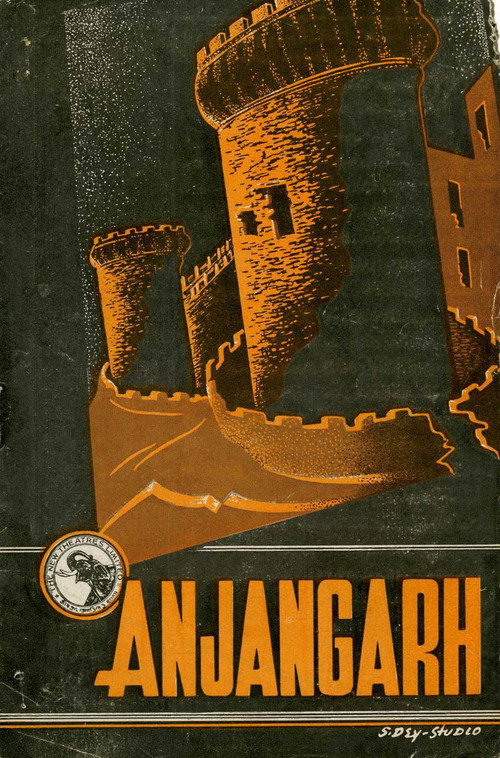
Anjangarh 1948
Anjangarh (1948) is a compelling social drama that explores the clash between corporate ethics and authoritarian power.
Director: Bimal Roy
Cast
Frequently Asked Questions
What is Anjangarh (1948) about?
Anjangarh follows a mining company's attempt to introduce fair wages and union recognition for workers, which angers a local ruler who pressures the company to scapegoat innocent employees for regional unrest instead.
Who directed Anjangarh?
The film was directed by Bimal Roy, one of Indian cinema's most respected filmmakers known for his socially conscious storytelling and realistic portrayals of human struggle.
Who stars in Anjangarh?
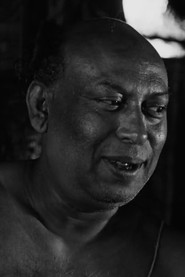
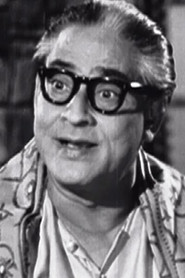
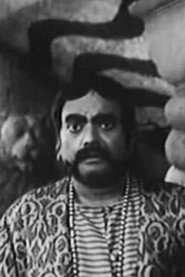
The film features Tulsi Chakraborty, Parul Kar, Chhabi Roy, Bipin Gupta, and Purnendu Mukherjee in key roles, with Jahar Roy also appearing in the ensemble cast.
Is Anjangarh (1948) worth watching?
As a socially relevant drama from a master filmmaker, Anjangarh offers valuable historical perspective on labor issues and remains engaging for fans of classic Indian cinema and social commentary.
How long is Anjangarh?
Runtime details are not listed.
About Anjangarh (1948) — Classic Drama on Labor Rights and Corporate Justice
Anjangarh (1948) is a compelling social drama that explores the clash between corporate ethics and authoritarian power. Directed by the renowned Bimal Roy, this film tells the story of a progressive mining company that attempts to provide fair wages and recognize workers' union rights, only to face severe backlash from a ruthless local ruler. The narrative delves into themes of labor exploitation, systemic corruption, and the manipulation of truth by those in power.
Set against the backdrop of industrial unrest, the film showcases the human cost of political interference in business operations. With powerful performances from Tulsi Chakraborty, Parul Kar, and Chhabi Roy, Anjangarh captures the tension between progressive ideals and entrenched oppression. Bimal Roy's masterful direction brings authenticity to this tale of workplace justice gone awry, making it a significant entry in Indian parallel cinema.
The atmospheric storytelling and strong ensemble cast, including Bipin Gupta and Jahar Roy, create a gripping drama that remains relevant for its exploration of workers' rights and corporate responsibility. This 1948 classic offers valuable insights into post-independence Indian society and the ongoing struggle for fair labor practices.