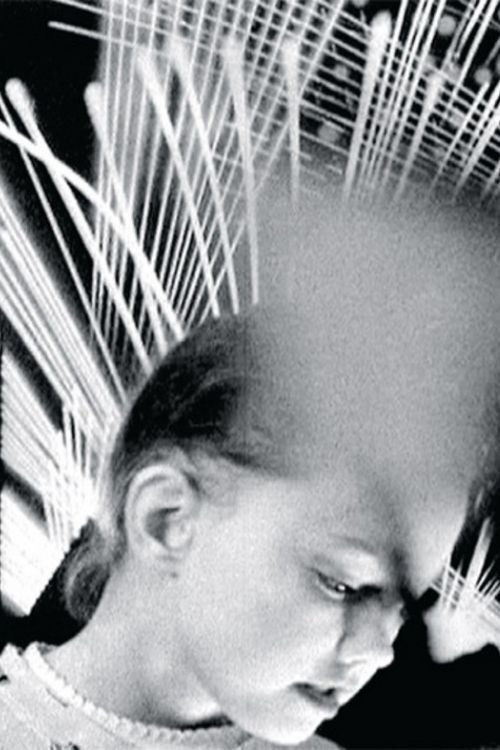
Peggy and Fred in Hell: The Prologue 1984
In *Peggy and Fred in Hell: The Prologue* (1984), visionary director Leslie Thornton introduces audiences to an enigmatic duo navigating a surreal landscape brimming with late 20th-century consumer imagery and technological detritus.
Director: Leslie Thornton
Cast
Frequently Asked Questions
What is *Peggy and Fred in Hell: The Prologue* (1984) about?
This experimental short film follows two children, Peggy and Fred, as they navigate a visually overwhelming world filled with late 20th-century consumer icons and technological clutter. The story unfolds like a fragmented parable, blending childhood curiosity with a sense of creeping disillusionment amid a rapidly changing modern landscape.
Who directed *Peggy and Fred in Hell: The Prologue*?
Leslie Thornton directed this striking experimental film, which serves as the first installment of her influential *Peggy and Fred in Hell* series.
Who stars in *Peggy and Fred in Hell: The Prologue*?
The film stars Janis Reading and Donald Reading as the titular children, Peggy and Fred, whose performances bring a haunting, dreamlike quality to the narrative.
Is *Peggy and Fred in Hell: The Prologue* (1984) worth watching?
While not for every taste, this 21-minute experimental short is a fascinating entry point into avant-garde cinema. Its bold visuals and thematic depth make it a compelling watch for fans of arthouse films or those interested in 1980s experimental media.
How long is *Peggy and Fred in Hell: The Prologue*?
The runtime for *Peggy and Fred in Hell: The Prologue* is 21 minutes.
About Peggy and Fred in Hell: The Prologue (1984) — A surreal experimental film by Leslie Thornton
In *Peggy and Fred in Hell: The Prologue* (1984), visionary director Leslie Thornton introduces audiences to an enigmatic duo navigating a surreal landscape brimming with late 20th-century consumer imagery and technological detritus. This inaugural segment of her ambitious experimental epic follows the eponymous children as they wander through a visually dense, almost dystopian collage of modern icons—where flickering screens, discarded gadgets, and the detritus of progress create a claustrophobic yet mesmerizing backdrop. Thornton's striking black-and-white cinematography and layered sound design evoke a dreamlike atmosphere, blending childhood innocence with the unsettling encroachment of modernity. The film's fragmented narrative and symbolic imagery invite viewers to question the boundaries between reality and artifice, childhood and corruption.
Peggy and Fred's journey unfolds like a cryptic parable, with every frame packed with meaning and every object a potential clue. The children's interactions with this hyper-saturated world feel both playful and ominous, capturing the tension between wonder and disillusionment in an era of rapid change. Thornton's groundbreaking approach to storytelling makes *Peggy and Fred in Hell: The Prologue* a standout in avant-garde cinema, offering a provocative meditation on perception, media saturation, and the loss of innocence in a technologically obsessed society.