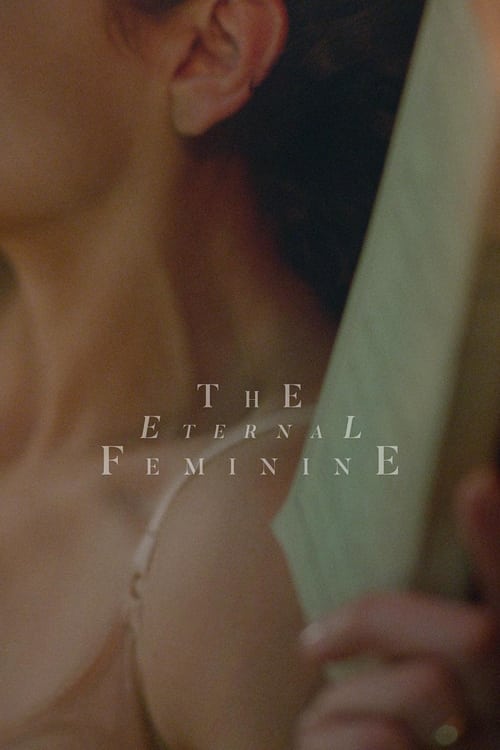
The Eternal Feminine 2017
In *The Eternal Feminine (2017)*, director Natalia Beristáin crafts a poignant drama set in 1950s Mexico City, where the quiet but determined Rosario Castellanos navigates a patriarchal society that silences women's voices.
Director: Natalia Beristáin
Cast








Frequently Asked Questions
What is The Eternal Feminine (2017) about?
*The Eternal Feminine* follows Rosario Castellanos, a shy yet brilliant university student in 1950s Mexico City, as she fights for recognition in a society dominated by men. Her path to becoming one of Mexico's most celebrated female writers is complicated by her personal life, particularly her volatile marriage to Ricardo Guerra. The film explores her internal conflict between ambition and emotional fragility as she challenges the status quo.
Who directed The Eternal Feminine?
Natalia Beristáin brings this compelling story to life with her visionary direction, blending historical context with deeply personal drama.
Who stars in The Eternal Feminine?
The film features a powerhouse cast led by Karina Gidi and Daniel Giménez Cacho, alongside Tessa Ía, Pedro de Tavira, and María Evoli.
Is The Eternal Feminine (2017) worth watching?
While lacking an IMDb rating, *The Eternal Feminine* is a compelling drama that resonates with themes of female empowerment and intellectual struggle. Its historical setting and emotional depth make it a standout in its genre, appealing to fans of character-driven storytelling.
How long is The Eternal Feminine?
The film has a runtime of 86 minutes.
🎥 Trailer
About The Eternal Feminine (2017) — A Riveting Drama of Voice and Silence
In *The Eternal Feminine (2017)*, director Natalia Beristáin crafts a poignant drama set in 1950s Mexico City, where the quiet but determined Rosario Castellanos navigates a patriarchal society that silences women's voices. As an aspiring writer, she faces the dual struggles of intellectual ambition and personal turmoil, especially within her tumultuous relationship with Ricardo Guerra. The film immerses viewers in a world where love and art collide, exposing the fragility beneath strength and the contradictions that shape a woman's legacy.
The atmosphere is intimate yet charged with the tension of societal expectations and personal rebellion, as Rosario's journey becomes a reflection on the cost of being heard in a world that prefers women to remain silent. With a raw and introspective tone, Beristáin's direction highlights the nuances of Rosario's character—her brilliance, her vulnerabilities, and the fire that ultimately defines her place in history.