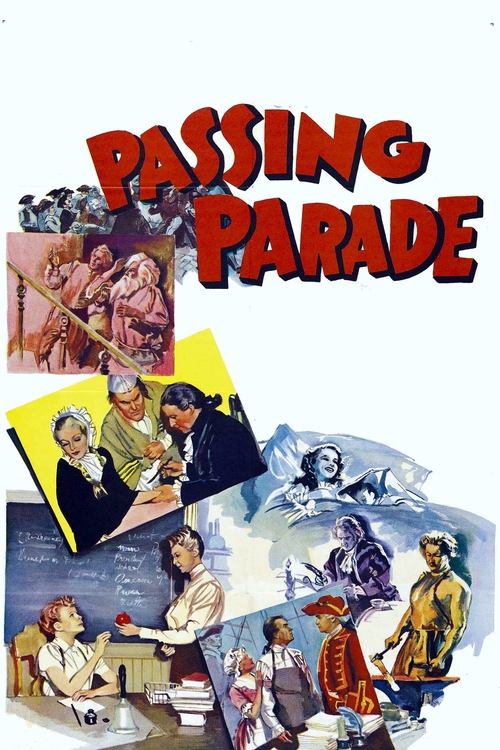
To My Unborn Son 1943
To My Unborn Son (1943) is a poignant wartime drama that captures the final moments of a Yugoslav patriot during World War II.
Director: László Kardos
Cast
Frequently Asked Questions
What is To My Unborn Son (1943) about?
Set during World War II, the film tells the story of a wounded Yugoslav man who, facing death after defending his village, writes an encouraging letter to his unborn child about the reasons for his resistance against Nazi forces.
Who directed To My Unborn Son?
The film was directed by László Kardos, a filmmaker known for his work on wartime and dramatic productions.
Who stars in To My Unborn Son?
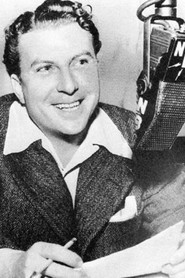
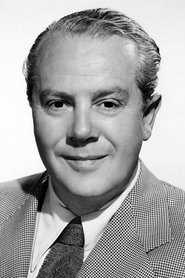
The main cast includes John Nesbitt and Steven Geray in this wartime drama.
Is To My Unborn Son (1943) worth watching?
At just 9 minutes, this unrated war drama packs emotional depth into a brief runtime. Its themes of sacrifice and hope during WWII make it worthwhile for fans of short historical dramas.
How long is To My Unborn Son?
The film has a runtime of 9 minutes.
About To My Unborn Son (1943) — A WWII Father's Final Letter of Hope
To My Unborn Son (1943) is a poignant wartime drama that captures the final moments of a Yugoslav patriot during World War II. Directed by László Kardos, this brief but powerful short film follows a dying man who, after being wounded while defending his village from Nazi forces, pens a heartfelt letter to his unborn child. Through his words, we glimpse the courage and conviction that drove ordinary people to resist occupation, making this a moving testament to parental love and national sacrifice.
Starring John Nesbitt and Steven Geray, the film blends intimate personal storytelling with the broader tragedy of war. Despite its mere 9-minute runtime, To My Unborn Son (1943) delivers an emotional punch that resonates with themes of hope, legacy, and the human cost of freedom. This John Nesbitt's Passing Parade short offers a unique perspective on WWII's impact on civilian life, making it a compelling watch for fans of historical war dramas and character-driven narratives.