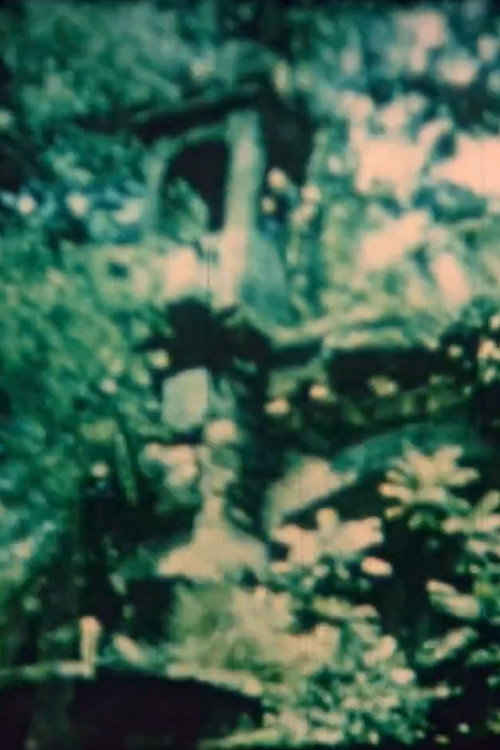
Melodic Inversion 1958
Dive into the mesmerizing world of *Melodic Inversion (1958)*, Ian Hugo's avant-garde short film that blurs the line between sound and vision.
Director: Ian Hugo
Frequently Asked Questions
What is Melodic Inversion (1958) about?
*Melodic Inversion* translates auditory patterns into striking visual motifs, crafting an abstract narrative that defies conventional cinema. Think of it as a short, silent sonata where shapes and contrasts perform a silent dance, drawing inspiration from experimental sound-to-image techniques.
Who directed Melodic Inversion?
The film was directed by Ian Hugo, an artist known for pushing the boundaries of experimental filmmaking in the 1950s and 60s.
Who stars in Melodic Inversion?
Cast details for *Melodic Inversion* are not listed, as the film focuses more on visual and auditory elements than traditional performances.
Is Melodic Inversion (1958) worth watching?
For fans of avant-garde cinema, *Melodic Inversion* is a fascinating time capsule of experimental techniques that laid groundwork for future visual artists. Its eight-minute runtime makes it an easy introduction to the genre, though its abstract nature may not appeal to everyone.
How long is Melodic Inversion?
The film runs for 8 minutes.
About Melodic Inversion (1958) — Ian Hugo's Avant-Garde Visual Symphony Explained
Dive into the mesmerizing world of *Melodic Inversion (1958)*, Ian Hugo's avant-garde short film that blurs the line between sound and vision. Inspired by the abstract experimentation of Stan Brakhage's *The Dead*, this eight-minute cinematic piece transforms auditory rhythms into visual poetry, creating an immersive experience that challenges traditional storytelling. Screened at the prestigious 1958 Brussels Film Festival, the film captures the essence of mid-century experimental cinema, where structure and emotion intertwine in a dance of light and form.
Hugo's hypnotic approach invites viewers to experience *Melodic Inversion* as both a standalone art piece and a precursor to modern visual music. The film's minimalist yet evocative style resonates with themes of perception and abstraction, appealing to fans of experimental filmmaking. While concise, its impact lingers, offering a glimpse into the creative possibilities of cinema beyond narrative conventions.