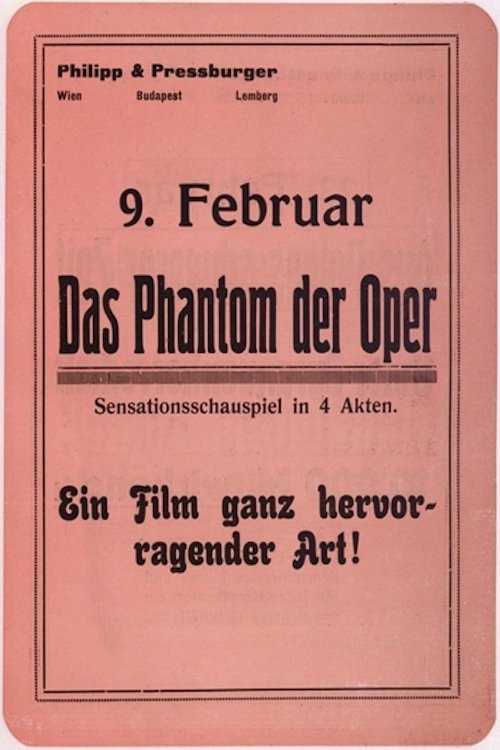
The Phantom of the Opera 1916
Discover the eerie silent cinema debut with *The Phantom of the Opera* (1916), the first-ever film adaptation of Gaston Leroux's chilling 1910 novel.
Director: Ernst Matray
Cast
Frequently Asked Questions
What is The Phantom of the Opera (1916) about?
This 1916 silent film is the first cinematic adaptation of Gaston Leroux's gothic novel, exploring themes of secrecy and obsession. The story centers on a masked figure, the Phantom, who haunts the Paris Opera House and manipulates events behind the scenes. Though little is known about the plot, it promises a dramatic and eerie silent-era experience.
Who directed The Phantom of the Opera?
Ernst Matray directed *The Phantom of the Opera* (1916), bringing a dramatic flair to this silent-era adaptation.
Who stars in The Phantom of the Opera?
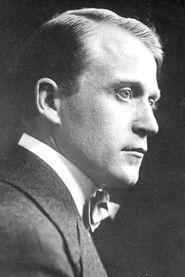
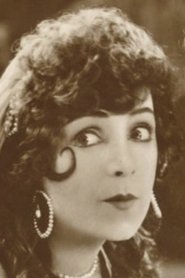
The film features Nils Olaf Chrisander as the Phantom, Aud Egede-Nissen as Christine, and Ernst Matray as Raul, delivering early silent-era performances under Matray's direction.
Is The Phantom of the Opera (1916) worth watching?
While no longer available to view, *The Phantom of the Opera* (1916) holds immense historical value as the first adaptation of Leroux's classic tale. Horror and silent film enthusiasts will appreciate its pioneering spirit, though its lost status means it remains a curiosity rather than a must-see experience today.
How long is The Phantom of the Opera?
The Phantom of the Opera (1916) runs for 76 minutes.
About The Phantom of the Opera (1916) — Silent Horror Meets Silent Drama in the First Film Adaptation
Discover the eerie silent cinema debut with *The Phantom of the Opera* (1916), the first-ever film adaptation of Gaston Leroux's chilling 1910 novel. Directed by Ernst Matray, this lost German production from autumn 1915 weaves a haunting atmosphere of obsession and mystery through its dramatic narrative. Though no surviving footage, stills, or posters remain, its legend endures as a pioneering horror-drama that set the stage for future adaptations. The film's shadowy themes of concealment and hidden desire are masterfully hinted at through the performances of Nils Olaf Chrisander as the enigmatic Phantom and Aud Egede-Nissen as the captivated Christine, creating an unforgettable mood of gothic suspense.
As one of cinema's earliest ventures into supernatural storytelling, *The Phantom of the Opera* (1916) remains a vital piece of horror history, blending silent-era drama with an enduringly mysterious tone. The story's exploration of identity and artistry lingers in the imagination, even as the original reels fade into obscurity. Fans of classic horror and silent films will appreciate its historical significance—a silent ghost story that laid the groundwork for the genre's future evolution.