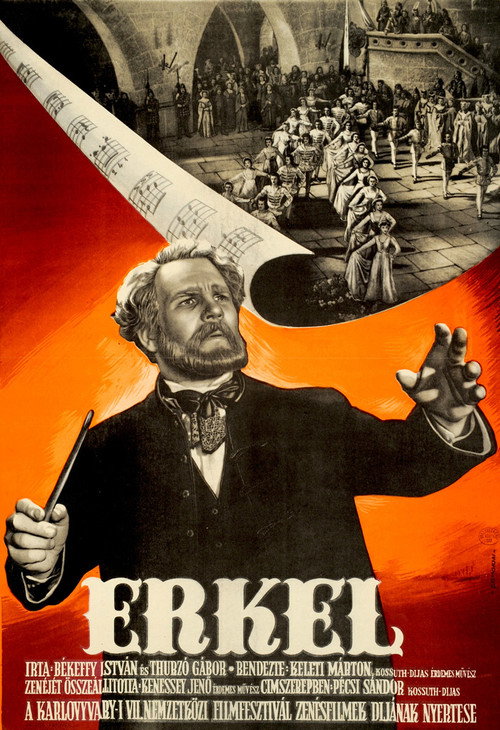
Erkel 1952
Step back to mid-19th-century Hungary and absorb the vibrant cultural tug-of-war at the heart of *Erkel (1952)*.
Director: Márton Keleti
Cast
Frequently Asked Questions
What is Erkel (1952) about?
Set in 1800s Hungary, *Erkel* follows the urgent quest to create the nation's first original opera amid fierce debates about identity and culture. The film celebrates the artists and thinkers who dared to write a new chapter in Hungarian music history.
Who directed Erkel?
Márton Keleti directed *Erkel*, bringing a keen eye for period drama and cultural storytelling to the 1952 film.
Who stars in Erkel?
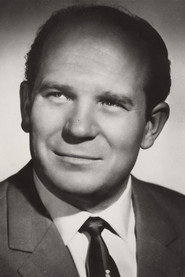
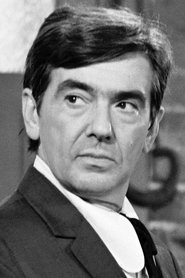
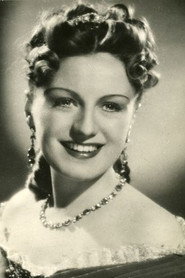
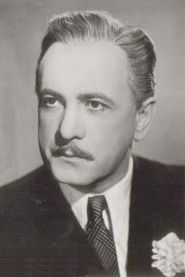
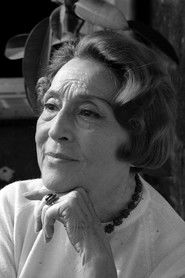
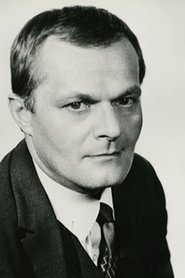
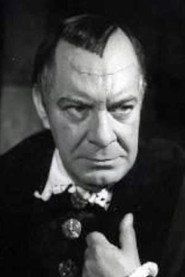
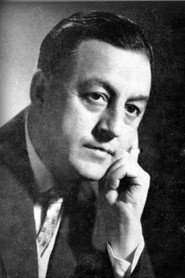
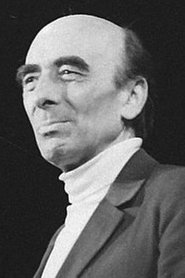
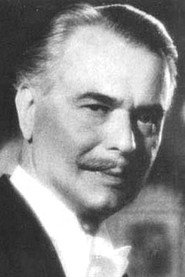
The ensemble includes Sándor Pécsi, Miklós Gábor, Éva Szörényi, Andor Ajtay, and Margit Makay as key figures shaping Hungary's operatic future.
Is Erkel (1952) worth watching?
With its historical backdrop and focus on creative struggle, *Erkel* offers more than nostalgia—it's a testament to artistic vision. While unrated on IMDb, its drama and themes resonate for fans of period films and cultural history. A hidden gem for those who savor stories of national awakening.
How long is Erkel?
Runtime details are not listed.
About Erkel (1952) — Behind the Scenes of Hungary's First Opera
Step back to mid-19th-century Hungary and absorb the vibrant cultural tug-of-war at the heart of *Erkel (1952)*.
Director Márton Keleti spins a dramatic tapestry around the urgent call for a Hungarian national opera, a movement that pits native talent against imported classics. In drawing rooms echoing with debate and on stages hungry for fresh voices, the film captures the creative tension between tradition and innovation. Sándor Pécsi leads a stellar cast that breathes life into the era's idealists, skeptics, and artists, all united—or divided—by the dream of a distinctly Hungarian sound. At its core, the story asks what it takes to forge a cultural identity when the world already sings someone else's songs.