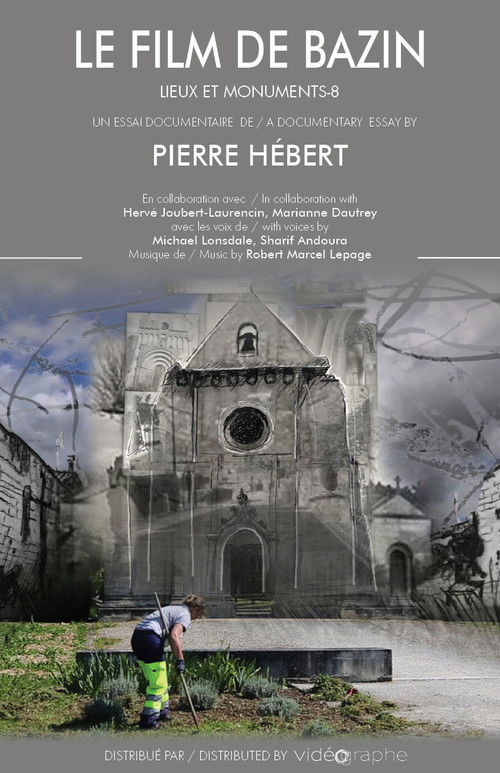
Bazin's Film 2017
Pierre Hébert's *Bazin's Film* (2017) is a haunting exploration of time's relentless march and the echoes of unfinished stories.
Director: Pierre Hébert
Cast

Frequently Asked Questions
What is Bazin's Film (2017) about?
*Bazin's Film* is a poetic reflection on the unfinished work of film critic André Bazin, whose death left his ideas scattered like ruins waiting to be rediscovered. The film examines themes of restoration, the passage of time, and how fragments of the past continue to shape the present, all through a lens of quiet reverence.
Who directed Bazin's Film?
Pierre Hébert directed *Bazin's Film*. Known for his experimental animation and cinematic essays, Hébert crafts a visually and thematically rich meditation that aligns with Bazin's own philosophical approach to film.
Who stars in Bazin's Film?
The film features Michael Lonsdale in a central role, delivering a performance that feels like a final cinematic testament.
Is Bazin's Film (2017) worth watching?
*Bazin's Film* is a niche but deeply rewarding experience for fans of arthouse cinema and philosophical musings. At 70 minutes, it's a brisk yet contemplative dive into themes that resonate with anyone who cherishes cinema as more than just a pastime. Its unrated status and experimental style make it a conversation starter rather than a mainstream pick, but its ambition and atmosphere earn it a spot for cinephiles.
How long is Bazin's Film?
The runtime of *Bazin's Film* is 70 minutes.
About Bazin's Film (2017) — A Meditation on Time, Loss, and the Echoes of Cinema
Pierre Hébert's *Bazin's Film* (2017) is a haunting exploration of time's relentless march and the echoes of unfinished stories. At just 70 minutes, this reflective meditation weaves together the unfinished legacy of film critic André Bazin—cut short by his untimely death—with the fragile beauty of restoration and the enduring presence of ruins. The film lingers not on loss, but on resonance: how the past murmurs through the present, how the stones of old stories still hum with life in modern streets. Hébert's approach is poetic, blending archival fragments with quiet, introspective pacing to evoke a sense of both melancholy and continuity. It's a work that feels intimate yet vast, like a whisper from history that refuses to fade.
Starring the legendary Michael Lonsdale in a role that feels like a final cinematic gesture, *Bazin's Film* is less a traditional narrative and more a philosophical reverie on cinema's soul. The atmosphere is contemplative, almost meditative, inviting viewers to ponder the fragility of art and the persistence of memory. It's a film for those who see movies not just as entertainment, but as living archives of human experience—and for anyone who's ever paused to wonder what stories might linger in the cracks of time.