The Celestial City 1929
Step into the shadowy streets of 1920s London with *The Celestial City (1929)*, a gripping silent-era crime drama helmed by British director J.O.C. Orton.
Director: J.O.C. Orton
Cast
Frequently Asked Questions
What is The Celestial City (1929) about?
*The Celestial City* follows a woman caught in a web of crime and deception in 1920s London. As she navigates a world of moral ambiguity, she must confront the consequences of her choices and the secrets lurking in the city's underbelly.
Who directed The Celestial City?
The film was directed by J.O.C. Orton, a notable figure in early British cinema known for his contributions to silent-era storytelling.
Who stars in The Celestial City?
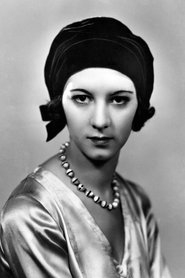
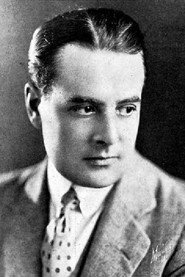
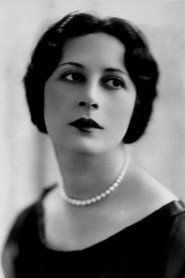
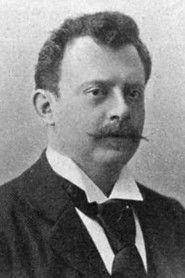
The cast includes Norah Baring, Cecil Fearnley, Lewis Dayton, Malvina Longfellow, and Henri De Vries, with Frank Perfitt rounding out the ensemble.
Is The Celestial City (1929) worth watching?
As a silent-era crime drama, *The Celestial City* offers a compelling glimpse into early British cinema. While it lacks modern pacing, its atmospheric storytelling and strong performances make it a worthwhile watch for fans of classic films.
How long is The Celestial City?
Runtime details are not listed.
About The Celestial City (1929) — Silent-Era Crime Drama with J.O.C. Orton
Step into the shadowy streets of 1920s London with *The Celestial City (1929)*, a gripping silent-era crime drama helmed by British director J.O.C. Orton. This atmospheric film weaves a tale of intrigue and moral ambiguity, where the glittering façade of high society masks darker secrets. Norah Baring leads the ensemble cast as a woman entangled in a web of deception, with Cecil Fearnley and Lewis Dayton delivering strong supporting performances that heighten the tension. Shot in monochrome with striking contrasts, the movie captures the gritty realism of its era while exploring themes of justice, redemption, and the blurred lines between right and wrong.
As a silent classic, *The Celestial City* relies on expressive performances and clever cinematography to transport viewers to a bygone age of cinematic artistry. The film's silent format amplifies its emotional depth, making every glance and gesture meaningful. Fans of early British cinema or silent-era crime dramas will appreciate Orton's direction and the nuanced storytelling that lingers long after the final frame fades.