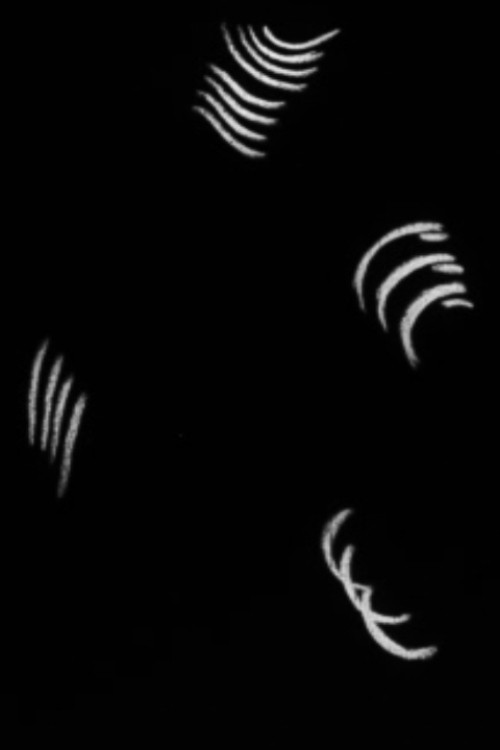
Dancing Lines 1930
Dancing Lines (1930) is a mesmerizing two-minute abstract animation directed by Oskar Fischinger that transforms simple white lines into a hypnotic dance against a stark black canvas. This experimental short, also known as Study No.
Director: Oskar Fischinger
Frequently Asked Questions
What is Dancing Lines (1930) about?
Dancing Lines (1930) showcases white lines gliding and twirling across a black void, creating a hypnotic dance of pure visual rhythm. Without dialogue or characters, the short film relies entirely on movement and contrast to evoke emotion and contemplation.
Who directed Dancing Lines?
Dancing Lines was directed by Oskar Fischinger, a pioneer of abstract animation whose work bridged the gap between art and experimental filmmaking.
Who stars in Dancing Lines?
Director information is not available.
Is Dancing Lines (1930) worth watching?
While it runs just two minutes, Dancing Lines (1930) is a fascinating artifact of early abstract animation that rewards viewers with its rhythmic beauty. Its minimalist approach may not appeal to everyone, but it's a must-see for fans of experimental cinema and visual art.
How long is Dancing Lines?
Dancing Lines has a runtime of 2 minutes.
About Dancing Lines (1930) — A 2-Minute Masterpiece of Abstract Animation
Dancing Lines (1930) is a mesmerizing two-minute abstract animation directed by Oskar Fischinger that transforms simple white lines into a hypnotic dance against a stark black canvas. This experimental short, also known as Study No. 2, strips visual storytelling down to its purest form, where geometry and rhythm create an almost musical experience. The film's minimalist approach—just white lines moving in fluid, rhythmic patterns—evokes a sense of motion and fluidity, playing with concepts of space, time, and perception. Its understated elegance makes it a standout in early animation, blending artistry with a meditative atmosphere that lingers long after the final frame.
Despite its brevity, Dancing Lines (1930) captures the essence of abstract expressionism, where the absence of narrative allows viewers to interpret the visual symphony on their own terms. Fischinger's work here feels like a precursor to modern digital art, showcasing how simplicity can be just as powerful as complexity. The film's timeless quality appeals to both animation enthusiasts and art lovers, offering a brief but unforgettable glimpse into the interplay between form and movement.