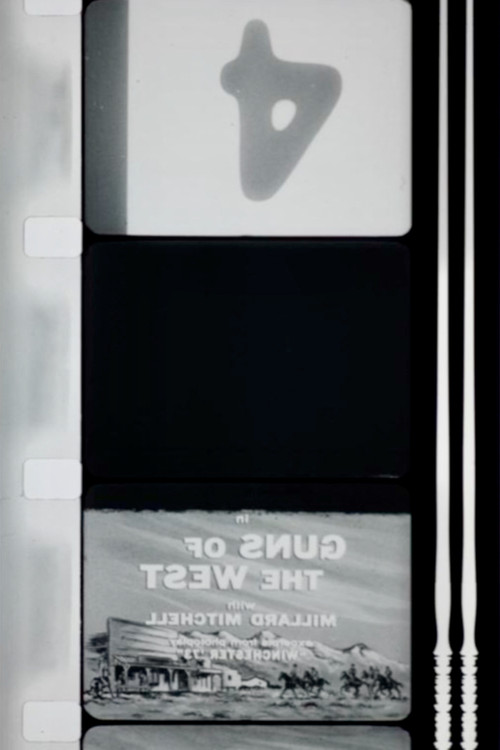
Cowboy and "Indian" Film 1958
In 1958, avant-garde artist Raphael Montañez Ortíz redefined experimental cinema with *Cowboy and "Indian" Film*, a bold two-minute animation that deconstructs cinematic clichés.
Director: Raphael Montañez Ortíz
Frequently Asked Questions
What is *Cowboy and "Indian" Film* (1958) about?
*Cowboy and "Indian" Film* is a radical two-minute experiment where artist Raphael Montañez Ortíz dismantles a classic Western, *Winchester '73*, using ritualistic violence. The film repurposes the broken footage into a hypnotic, almost shamanic montage that critiques Hollywood's portrayal of cowboys and Native Americans.
Who directed *Cowboy and "Indian" Film*?
The film was directed by Raphael Montañez Ortíz, a pioneering figure in experimental and performance art whose work often explored themes of destruction and cultural identity.
Who stars in *Cowboy and "Indian" Film*?
Director information is not available for the cast, as this was a collaborative experimental piece focused on Ortíz's artistic process rather than traditional performances.
Is *Cowboy and "Indian" Film* (1958) worth watching?
For those intrigued by avant-garde cinema, this 2-minute film is a fascinating glimpse into 1950s experimental art. While not a conventional watch, its bold approach to deconstructing Western tropes makes it a provocative piece for enthusiasts of boundary-pushing media.
How long is *Cowboy and "Indian" Film*?
The runtime is just 2 minutes, a brief but intense burst of experimental filmmaking.
About Cowboy and "Indian" Film (1958) — The 2-Minute Experimental Reckoning with Western Tropes
In 1958, avant-garde artist Raphael Montañez Ortíz redefined experimental cinema with *Cowboy and "Indian" Film*, a bold two-minute animation that deconstructs cinematic clichés. Ortíz transformed a conventional Western film, *Winchester '73*, into a visceral ritual of destruction and rebirth. By hacking the footage with a tomahawk, wrapping the shards in a medicine bag, and chanting a Yaqui ritual, he turned a mundane cowboy movie into a raw, symbolic exorcism of Hollywood's mythologies. The result is a hypnotic collage of motion and meaning, where fragmented images flicker like repressed memories.
This unconventional work merges animation with performance art, challenging viewers to confront the violence and stereotypes embedded in classic Westerns. Its frenetic pacing and primal energy evoke a dreamlike state, where time and narrative collapse into pure visual poetry. Ortíz's piece isn't just a critique—it's a visceral experience that lingers long after the final frame. For fans of boundary-pushing cinema, it's a landmark of 1950s experimental filmmaking.