

Crimes Are To Be Paid 1972
Directed by Chou Hsu-Chiang, *Crimes Are To Be Paid (1972)* weaves a gripping tale of vengeance and justice set against the neon-lit world of 1970s crime dramas.
Director: Chou Hsu-Chiang
Cast

Tanny Tien-Ni

Richard Chan Chun

Pai Ying

Kong Ban
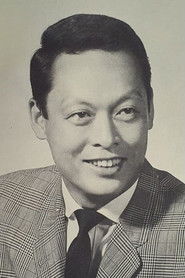
Tien Feng

Wang Lai
Mang Lee
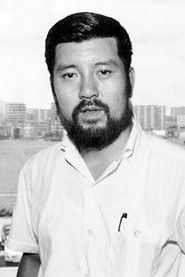
Chu Mu
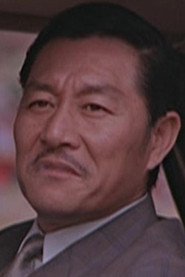
Huang Tsung-Hsun

Lydia Shum Tin-Ha
Frequently Asked Questions
What is *Crimes Are To Be Paid (1972)* about?
This 1972 drama tracks a woman who, after surviving a horrific assault as a teenager, rebuilds her life as a nightclub singer. Years later, she crosses paths with her attackers—now scattered across the city—and exacts a calculated, personal revenge. The film examines how trauma shapes identity and the choices we make when justice feels out of reach.
Who directed *Crimes Are To Be Paid*?
The film was directed by Chou Hsu-Chiang, a filmmaker known for his work in Asian crime and drama genres, though specific details about his broader filmography remain scarce.
Who stars in *Crimes Are To Be Paid*?
The film features Tanny Tien-Ni as the vengeful protagonist, alongside Richard Chan Chun, Pai Ying, Kong Ban, and Tien Feng in pivotal roles.
Is *Crimes Are To Be Paid (1972)* worth watching?
While it lacks an IMDb rating for context, *Crimes Are To Be Paid* offers a compelling blend of crime drama and psychological tension. Its themes of justice and survival resonate, though the pacing may feel deliberate to modern viewers. Fans of classic Asian revenge films will likely find its atmosphere and narrative satisfying.
How long is *Crimes Are To Be Paid*?
The runtime for *Crimes Are To Be Paid* is 94 minutes.
Crimes Are To Be Paid (1972): A Vengeful Journey Through Crime and Redemption
Directed by Chou Hsu-Chiang, *Crimes Are To Be Paid (1972)* weaves a gripping tale of vengeance and justice set against the neon-lit world of 1970s crime dramas. The film follows a woman, once a victim of a brutal gang rape, who transforms from a shattered survivor into a poised nightclub singer. When fate reunites her with her attackers—now men leading seemingly ordinary lives—she orchestrates a meticulous plan for retribution. Blending raw emotion with stylish suspense, the movie explores themes of trauma, resilience, and the blurred line between law and personal justice.
A slow-burn thriller with dramatic depth, *Crimes Are To Be Paid* balances gritty realism with moments of haunting elegance, as its protagonist navigates a world where power dynamics shift in the blink of an eye. The atmosphere crackles with tension, from the smoky jazz clubs to the shadowy corners where secrets fester. For fans of classic Asian crime dramas, this film offers a compelling mix of moral complexity and cinematic flair—a testament to the director's skill in crafting stories that linger long after the credits roll.