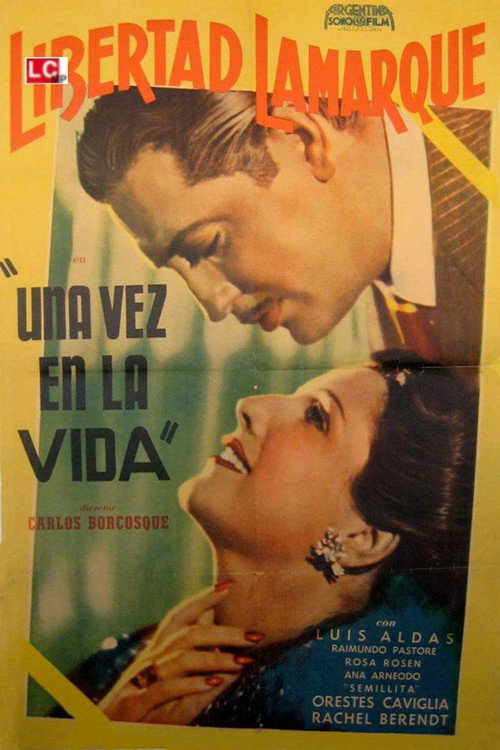
Una vez en la vida 1941
Set in a bygone era of steamy cafés and moonlit escapes, *Una vez en la vida (1941)* spins a tale of chance encounters and fleeting romances. Directed by the visionary Carlos F.
Director: Carlos F. Borcosque
Cast

Frequently Asked Questions
What is Una vez en la vida (1941) about?
The film centers on an unexpected act of kindness that spirals into a passionate romance. A woman decides to help a man running from the law, only to discover that her heart is the one place he can't escape.
Who directed Una vez en la vida?
Carlos F. Borcosque directed this Argentine classic, known for his ability to blend drama and comedy seamlessly.
Who stars in Una vez en la vida?
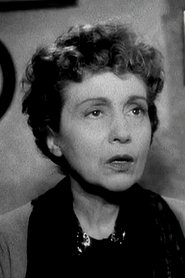
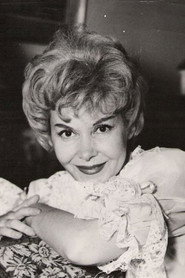
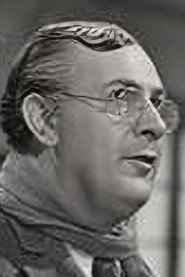
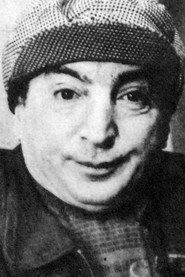
The film stars Libertad Lamarque, Luis Aldás, Ana Arneodo, Rachel Bérendt, and Rosa Rosen in its leading roles.
Is Una vez en la vida (1941) worth watching?
If you appreciate classic romance with a dash of adventure, *Una vez en la vida* is a delightful pick. Its nostalgic charm and strong performances make it a time capsule worth exploring, especially for fans of 1940s cinema.
How long is Una vez en la vida?
The film runs for approximately 75 minutes.
About Una vez en la vida (1941) — A Classic Argentine Romance with a Fugitive Twist
Set in a bygone era of steamy cafés and moonlit escapes, *Una vez en la vida (1941)* spins a tale of chance encounters and fleeting romances. Directed by the visionary Carlos F. Borcosque, this Argentine drama-comedy follows a spirited woman who impulsively aids a dashing fugitive, only to find herself drawn into a whirlwind of emotions she never anticipated. Blending sharp wit with tender moments, the film captures the tension between duty and desire, all wrapped in the nostalgic charm of classic cinema. With Libertad Lamarque's magnetic presence and Luis Aldás delivering charm in every frame, the story unfolds like a golden-age confection—sweet, unpredictable, and impossible to resist.
A 75-minute escape into a world where love blooms under unlikely circumstances, *Una vez en la vida* is a featherweight gem of Argentine filmmaking. Borcosque's direction infuses the narrative with warmth and spontaneity, while the chemistry between Lamarque and Aldás crackles with infectious energy. Whether you're drawn to its romantic escapades or its playful take on fate, this 1941 classic offers a slice of cinematic history that feels as fresh today as it did decades ago.