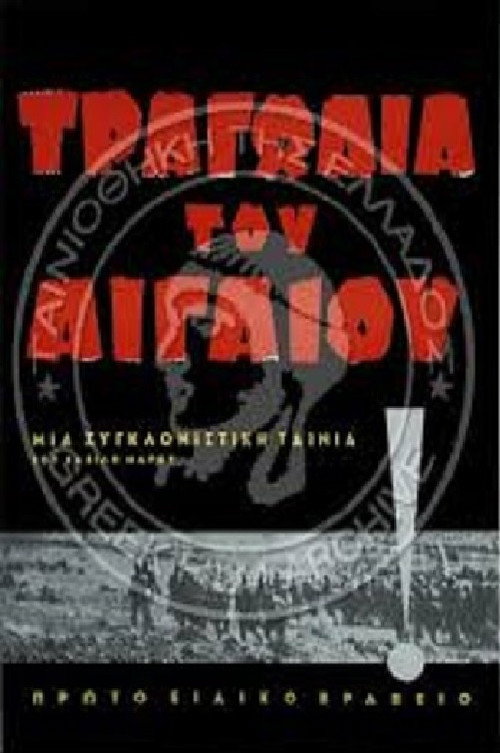
The Aegean Tragedy 1961
Step back to early 20th-century Greece with *The Aegean Tragedy* (1961), Basil Maros's stirring historical documentary.
Director: Basil Maros
Cast

Frequently Asked Questions
What is The Aegean Tragedy (1961) about?
*The Aegean Tragedy* traces Greece's turbulent first half of the 20th century, from the Balkan Wars through the Asia Minor Catastrophe and its aftermath. It uses rare archival footage to explore political shifts, human struggles, and the enduring scars left by war and displacement.
Who directed The Aegean Tragedy?
The film was directed by Basil Maros, a filmmaker known for his evocative historical documentaries.
Who stars in The Aegean Tragedy?
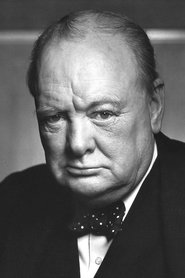
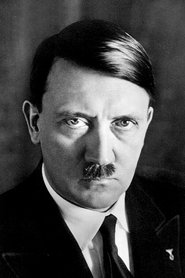
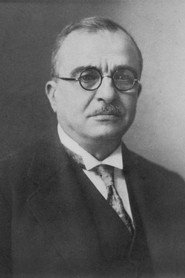
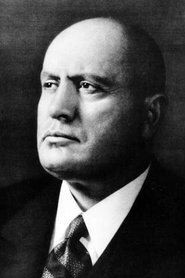
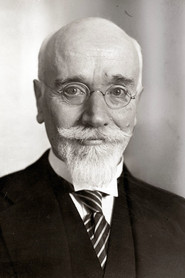
Key figures in the documentary include Winston Churchill, Adolf Hitler, King George VI, Ioannis Metaxas, and Benito Mussolini as pivotal historical personages.
Is The Aegean Tragedy (1961) worth watching?
While unrated, its historical depth and rare archival footage make it a compelling watch for history enthusiasts. The 78-minute runtime keeps the narrative tight and engaging, though it leans more toward educational than entertainment value.
How long is The Aegean Tragedy?
The runtime is 78 minutes.
About The Aegean Tragedy (1961) — A 1961 documentary on Greek history and the Asia Minor Catastrophe
Step back to early 20th-century Greece with *The Aegean Tragedy* (1961), Basil Maros's stirring historical documentary. Archival footage from Joseph Hep, George Prokopiou and others weaves together the turbulent decades from the Balkan Wars to the tumultuous December events, spotlighting the human cost of the Asia Minor Catastrophe and its long shadow over the nation. The film balances sweeping panoramas of political upheaval with intimate glimpses of ordinary lives caught in history's currents, creating a mood that is equal parts haunting and reflective.
Basil Maros frames this chapter of modern Greek history through the lens of powerful historical figures—Winston Churchill, Adolf Hitler, King George VI—and key decision-makers like Ioannis Metaxas and Benito Mussolini—whose actions ripple through the narrative. Blending the gravitas of documentary with the intimacy of personal testimony, the 78-minute runtime unfolds like a visual essay on resilience and remembrance, perfect for history buffs and anyone drawn to stories where the past refuses to stay buried.