Two Local Yokels 1945
Dive into the slapstick world of Jules White's Two Local Yokels (1945), a zany short comedy where overconfidence meets domestic chaos.
Director: Jules White
Cast
Frequently Asked Questions
What is Two Local Yokels (1945) about?
This 1945 comedy short follows Andy and Charles, two men who boast about their charm with women—until Andy's wife finds out and threatens divorce. The film turns their overconfidence into a whirlwind of misunderstandings, leading to classic slapstick chaos.
Who directed Two Local Yokels?
Jules White directed this 1945 comedy short, known for his work in the Three Stooges films and other legendary slapstick comedies.
Who stars in Two Local Yokels?
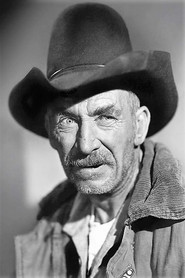
The film stars Andy Clyde, a veteran of silent and early talkie comedies, alongside Charles Knight in a supporting role.
Is Two Local Yokels (1945) worth watching?
While unrated on IMDb, the film's 17-minute runtime and Jules White's direction make it a solid pick for comedy enthusiasts. Its themes of vanity and marital strife are delivered with classic physical humor, though modern audiences may find it a niche taste.
How long is Two Local Yokels?
Two Local Yokels is a quick 17-minute comedy short.
Two Local Yokels (1945): A Classic Comedy Short About Pride and Marriage — Full Movie Info
Dive into the slapstick world of Jules White's Two Local Yokels (1945), a zany short comedy where overconfidence meets domestic chaos. Andy and Charles parade as irresistible charmers, but when Andy's wife uncovers their flimsy schemes, the duo face the ultimate test of their self-proclaimed charm. This 17-minute romp blends rapid-fire gags with the kind of absurd humor that defined classic comedy shorts, all set against the backdrop of mid-century America's working-class mores.
The film thrives on situational wit and physical comedy, with Andy Clyde's knack for exaggerated expressions driving the laughs. At its core, Two Local Yokels (1945) is a playful satire on vanity and marriage, where the biggest joke isn't the wives' reactions but the men's delusional pride. It's a time capsule of early comedy tropes, perfect for fans of vintage laughs and anyone who enjoys a good underdog story—even if the underdogs are the villains of their own lives.