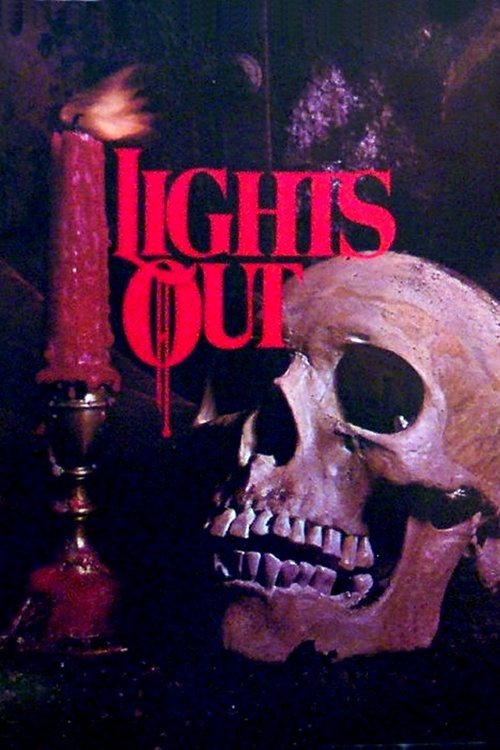
Lights Out 1972
In the eerie world of 1972 horror television, *Lights Out* delivers a chilling tale centered around a toymaker's sinister invention—dolls engineered to murder.
Director: Ted Kotcheff
Cast


Frequently Asked Questions
What is Lights Out (1972) about?
*Lights Out* follows a toymaker whose seemingly innocent creations take a sinister turn when they're designed to eliminate their owners. The plot unfolds like a dark fairy tale, where childhood nostalgia collides with shockingly violent twists.
Who directed Lights Out?
Lights Out was directed by Ted Kotcheff, a filmmaker known for blending suspense with gritty realism in his work.
Who stars in Lights Out?
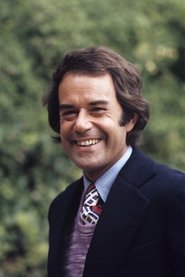
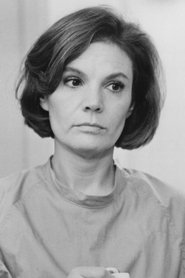
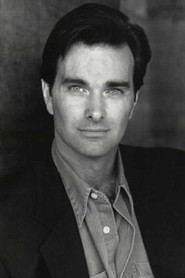
The film features Laurence Luckinbill, Joan Hackett, and Louisa Horton in leading roles, delivering performances steeped in tension.
Is Lights Out (1972) worth watching?
Though unrated and overlooked, *Lights Out* offers a fascinating snapshot of 1970s horror TV, with a premise that's both eerie and inventive. Its short runtime and cult potential make it a curiosity for genre enthusiasts.
How long is Lights Out?
Lights Out runs for approximately 60 minutes, a tight and atmospheric horror experience.
About Lights Out (1972) — The 1970s Horror Pilot That Never Was
In the eerie world of 1972 horror television, *Lights Out* delivers a chilling tale centered around a toymaker's sinister invention—dolls engineered to murder. Directed by Ted Kotcheff, this short-form horror experiment unfolds with a creeping sense of dread as the protagonist's macabre creations become instruments of terror. The film drips with the unsettling atmosphere of its era, blending psychological horror with the uncanny allure of vintage storytelling.
As a pilot for an abandoned series titled *Light Out!*, it leans into the radio-drama roots of its namesake, offering a compact yet haunting narrative. The tension simmers beneath the surface, fueled by dimly lit settings and the unnerving idea of lifelike playthings turned deadly. With a runtime just shy of an hour, *Lights Out (1972)* is a forgotten gem for fans of early horror, where the shadows themselves seem alive.