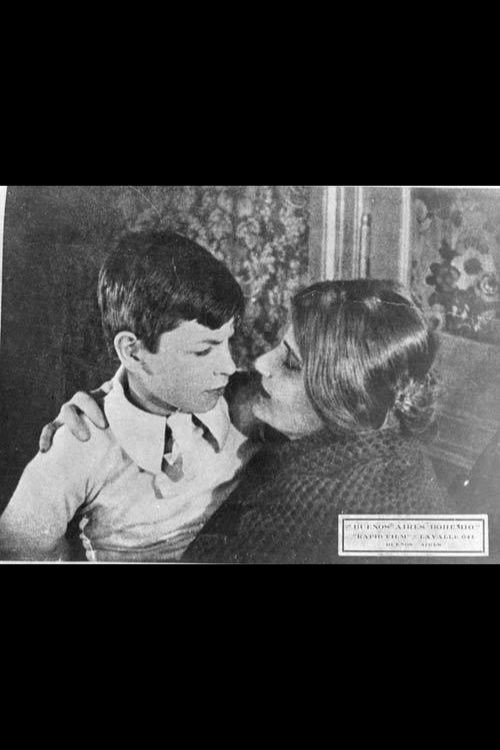
Buenos Aires bohemio 1924
Step back to 1924 and join the vibrant pulse of Buenos Aires in *Buenos Aires bohemio*, Leopoldo Torres Ríos' tender portrait of the city's artistic soul.
Director: Leopoldo Torres Ríos
Cast
Frequently Asked Questions
What is Buenos Aires bohemio (1924) about?
*Buenos Aires bohemio* immerses viewers in the boisterous yet melancholic world of 1920s Argentina, where artists, musicians, and wanderers navigate love and ambition against the backdrop of a rapidly modernizing city. The film's episodic structure follows a series of encounters, each painting a vivid slice of life in Buenos Aires' thriving bohemian scene. Think of it as a silent-era love letter to creativity and companionship.
Who directed Buenos Aires bohemio?
The film was directed by Leopoldo Torres Ríos, a pioneer of early Argentine cinema whose work often explored social themes and urban life.
Who stars in Buenos Aires bohemio?
The film features a talented ensemble including Julio Andrada, Ángel Boyano, Sara Bromber, Elena Guido, and María Mirbena, each bringing depth to the film's vibrant characters.
Is Buenos Aires bohemio (1924) worth watching?
While it lacks a traditional plot, *Buenos Aires bohemio* shines as a historical snapshot of Argentina's artistic golden age. Silent films from this era are rare, and its atmospheric portrayal of bohemian life offers a unique charm. If you're a fan of vintage cinema or cultural history, it's a rewarding watch.
How long is Buenos Aires bohemio?
Runtime details are not listed.
About Buenos Aires bohemio (1924) — A Silent-Era Ode to Argentina's Golden Age of Bohemian Life
Step back to 1924 and join the vibrant pulse of Buenos Aires in *Buenos Aires bohemio*, Leopoldo Torres Ríos' tender portrait of the city's artistic soul. The film drifts through smoky cafés, cobblestone avenues, and the intimate spaces where poets, musicians, and dreamers collide, capturing the raw energy of Argentina's golden age of bohemian creativity. With a keen eye for atmosphere, Torres Ríos weaves a visual symphony of tango melodies, late-night confessions, and fleeting romances that define the era's restless spirit. Though the plot unfolds through vignettes rather than a rigid narrative, the film's true charm lies in its evocation of a time when art and life mingled freely under the southern sky.
The ensemble cast—led by Julio Andrada, Ángel Boyano, and Sara Bromber—breathes life into characters who embody the contradictions of bohemia: passion and poverty, hope and disillusionment. Their performances lend *Buenos Aires bohemio* a warmth and authenticity that transcends its silent-era limitations, making it a time capsule of cultural nostalgia. For modern audiences, the film offers a rare glimpse into the social fabric of 1920s Argentina, where music and movement were the heartbeat of a society on the brink of change.