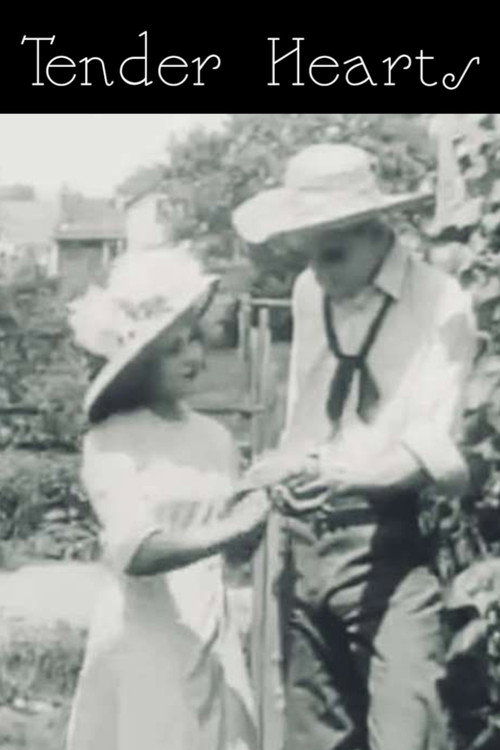
Tender Hearts 1909
D.W. Griffith's *Tender Hearts* (1909) is an early silent-era drama that unfolds with gentle charm and emotional simplicity, showcasing the director's knack for heartfelt storytelling.
Director: D.W. Griffith
Cast


Frequently Asked Questions
What is Tender Hearts (1909) about?
The film follows a romantic rivalry between a country boy and a city boy, both pursuing the same young woman. Her decision is swayed not by flashy gestures, but by the country boy's gentle care for an injured bird, highlighting themes of compassion and authenticity over superficiality.
Who directed Tender Hearts?
Tender Hearts was directed by D.W. Griffith, a pioneer of early American cinema known for shaping silent-era storytelling with emotionally resonant narratives.
Who stars in Tender Hearts?
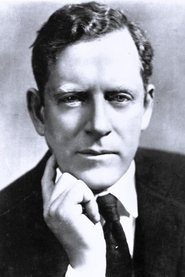
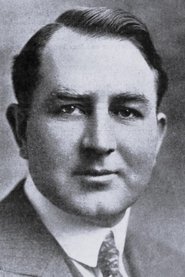
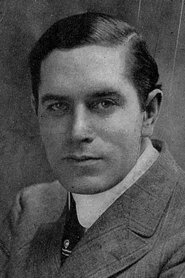
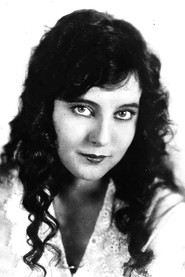
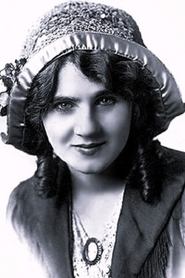
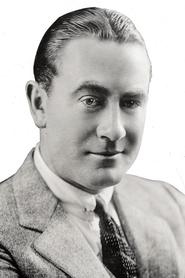
The film features Mary Pickford, James Kirkwood, Frank Powell, Arthur V. Johnson, and Lottie Pickford in key roles.
Is Tender Hearts (1909) worth watching?
With its heartfelt themes and Griffith's masterful direction, *Tender Hearts* offers a fascinating glimpse into early cinema's ability to convey deep emotion in just eight minutes. While it's a product of its time, its message about kindness remains universally appealing—perfect for silent film enthusiasts and history buffs alike.
How long is Tender Hearts?
Tender Hearts runs for approximately 8 minutes.
🎥 Trailer
About Tender Hearts (1909) — A Silent-Era Romance of Kindness and Choice
D.W. Griffith's *Tender Hearts* (1909) is an early silent-era drama that unfolds with gentle charm and emotional simplicity, showcasing the director's knack for heartfelt storytelling. The short film centers on a romantic triangle between a country boy and a city boy, both vying for the affection of the same young woman. Her final choice hinges not on grand gestures, but on the quiet kindness of the country boy, who tenderly nurses a wounded bird—a serene yet telling act of compassion. Set against pastoral landscapes and urban contrasts, the film captures a bygone era of innocence, where love and morality are woven into everyday moments. With its understated performances and moral undertones, *Tender Hearts* reflects Griffith's signature style, blending social observation with the power of small, meaningful actions.
As a pioneering work from the dawn of cinema, *Tender Hearts* stands as a snapshot of early filmmaking, where emotional resonance and narrative subtlety carried the story far more than spectacle. The film's themes of love, purity, and the contrast between rural simplicity and urban sophistication give it a timeless quality, even as its brevity reminds us of the medium's humble origins.