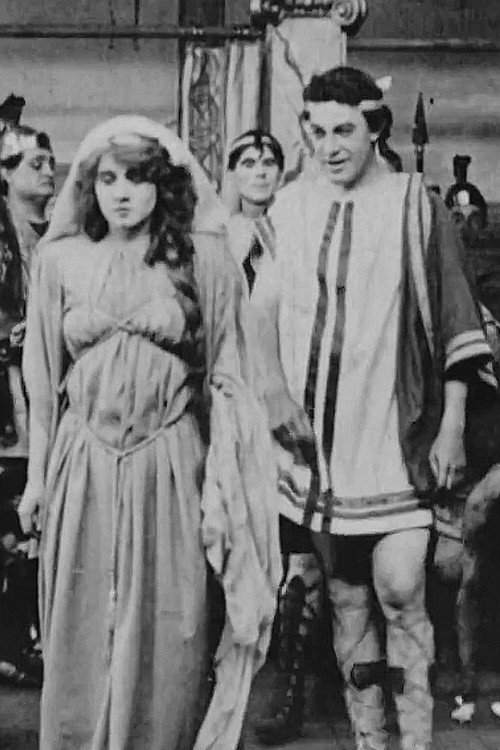
The Slave 1909
The Slave (1909) is a poignant drama directed by D.W. Griffith that delves into the struggles of a Greek woman and her family.
Director: D.W. Griffith
Cast

Frequently Asked Questions
What is The Slave (1909) about?
The Slave (1909) tells the story of a Greek woman who offers to sell herself into slavery to provide for her child in a desperate bid to survive poverty.
Who directed The Slave?
The Slave (1909) was directed by the renowned D.W. Griffith, a pioneer in the early days of cinema.
Who stars in The Slave?
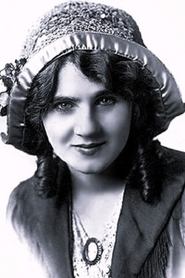
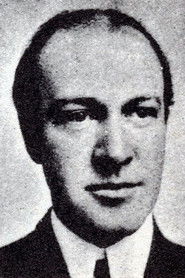
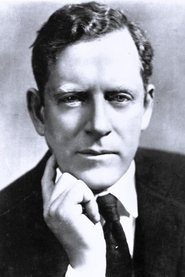
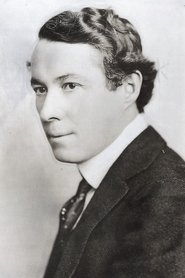
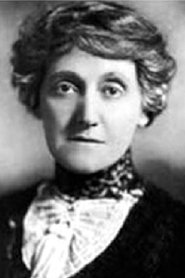
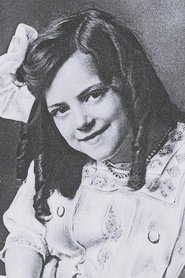
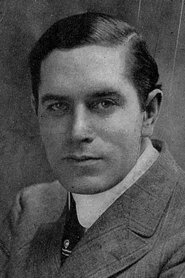
The film features a talented cast, including Florence Lawrence, Mary Pickford, and James Kirkwood.
Is The Slave (1909) worth watching?
While The Slave (1909) may not have the benefit of modern special effects or sound, its poignant drama and powerful performances make it a worthwhile watch for film enthusiasts and history buffs alike.
How long is The Slave?
The Slave (1909) has a runtime of 11 minutes.
The Slave (1909): A Heart-Wrenching Drama of Love and Desperation — Full Movie Info
The Slave (1909) is a poignant drama directed by D.W. Griffith that delves into the struggles of a Greek woman and her family. The film tells the heart-wrenching story of a woman who, faced with poverty and desperation, offers to sell herself into slavery to provide for her child. With a runtime of just 11 minutes, this silent film packs an emotional punch, exploring themes of poverty, love, and the harsh realities of life. The cast, featuring Florence Lawrence, Mary Pickford, and James Kirkwood, delivers powerful performances that bring depth and emotion to the narrative. As a pioneering work in the early days of cinema, The Slave (1909) remains a significant milestone in the evolution of film, offering a glimpse into the lives of people living in a bygone era. Whether you're a film historian, a drama enthusiast, or simply someone who appreciates the art of storytelling, The Slave (1909) is a must-watch for its historical significance and emotional resonance. By exploring the complexities of human relationships and the struggles of everyday life, Griffith's masterpiece continues to captivate audiences to this day.