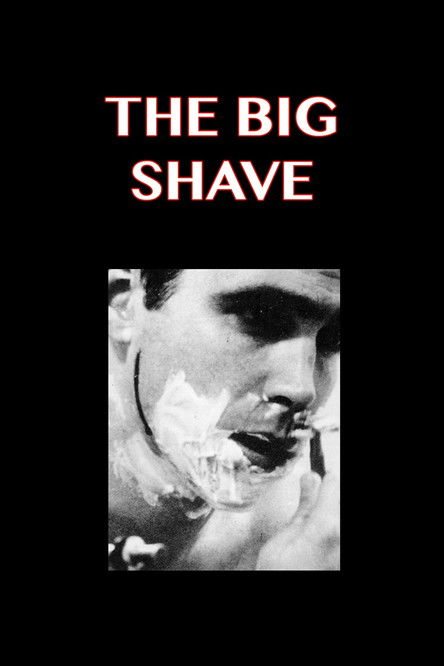
The Big Shave 1967
The Big Shave (1967), Martin Scorsese's visceral and unsettling short film, plunges viewers into a deceptively ordinary setting—a pristine bathroom—that quickly spirals into a harrowing exploration of self-destruction.
Director: Martin Scorsese
Cast
Frequently Asked Questions
What is The Big Shave (1967) about?
The film follows a man who begins a simple shaving routine in a sterile bathroom, only for the act to spiral into a graphic, self-inflicted descent. It's a chilling allegory for societal pressure and self-destruction, unfolding in just six minutes.
Who directed The Big Shave?
Martin Scorsese directed The Big Shave early in his career. The film showcases his knack for visual storytelling and emotional intensity.
Who stars in The Big Shave?
Peter Bernuth stars in The Big Shave, portraying the isolated protagonist at the heart of this unsettling narrative.
Is The Big Shave (1967) worth watching?
While short and disturbing, The Big Shave is a fascinating glimpse into Scorsese's directorial style and the horror genre's experimental side. Its raw impact makes it worth seeking out for cinephiles, even if it's not a traditional narrative film.
How long is The Big Shave?
The Big Shave runs for 6 minutes, making it a quick but intense viewing experience.
About The Big Shave (1967) — Martin Scorsese's Shocking Short Film Explained
The Big Shave (1967), Martin Scorsese's visceral and unsettling short film, plunges viewers into a deceptively ordinary setting—a pristine bathroom—that quickly spirals into a harrowing exploration of self-destruction. Peter Bernuth stars as the protagonist, whose ritual of shaving escalates into a graphic unraveling of both body and mind, blurring the line between vanity and violence. Filmed in stark black-and-white, the six-minute piece is a raw study of psychological and physical decay, using minimal dialogue to amplify its disturbing atmosphere. Themes of self-sabotage and existential dread linger long after the credits roll, making it a standout in Scorsese's early work and a cult favorite among horror enthusiasts.
Despite its brevity, The Big Shave (1967) packs an emotional punch, reflecting the director's signature ability to evoke tension through sparse, deliberate storytelling. The film's stark visuals and unflinching portrayal of bodily harm challenge viewers, leaving questions about its symbolism and purpose open to interpretation. A defining example of 1960s experimental cinema, it's a must-see for fans of psychological horror and avant-garde filmmaking alike.