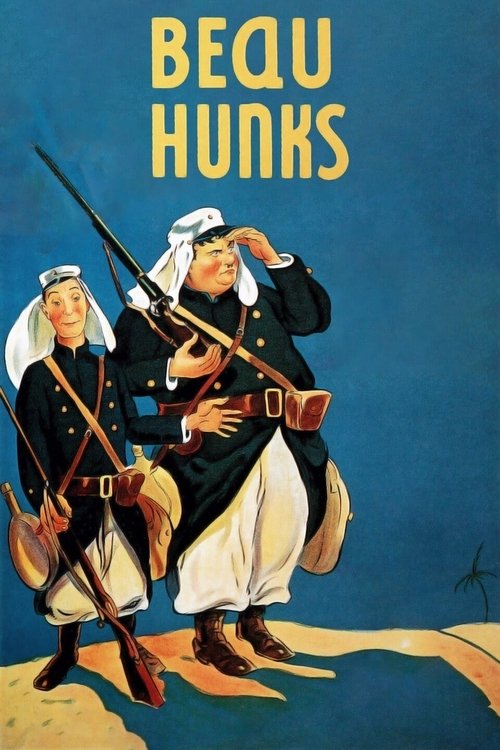
Beau Hunks 1931
In the 1931 silent-era gem *Beau Hunks*, comedy legends Stan Laurel and Oliver Hardy embark on a madcap adventure that takes them from heartbreak to the dusty sands of North Africa.
Director: James W. Horne
Cast


Frequently Asked Questions
What is Beau Hunks (1931) about?
After Ollie is dumped by his sweetheart, he and Stan enlist in the French Foreign Legion as a dramatic escape. Their journey unfolds in a series of hilarious mishaps, from desert marches to accidental brawls, all while navigating their peculiar bond.
Who directed Beau Hunks?
James W. Horne directed *Beau Hunks*, helming the film with a keen eye for the duo's signature brand of physical comedy.
Who stars in Beau Hunks?
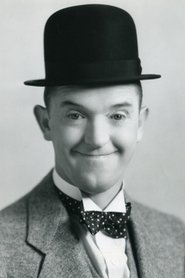
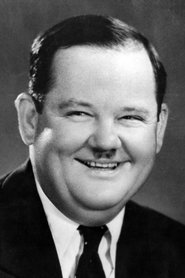
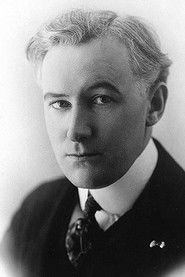
The legendary comedy pair Stan Laurel and Oliver Hardy headline the cast, joined by Charles Middleton and others in supporting roles.
Is Beau Hunks (1931) worth watching?
For fans of classic comedy or Laurel and Hardy, *Beau Hunks* is a delightful 37-minute watch. While it lacks modern polish, its timeless humor and the duo's chemistry make it a worthwhile slice of silent-era entertainment.
How long is Beau Hunks?
The film runs for 37 minutes, a perfect length for a quick dose of vintage comedy.
🎥 Trailer
About Beau Hunks (1931) — How Stan and Ollie's Legion Adventure Became a Comedy Classic
In the 1931 silent-era gem *Beau Hunks*, comedy legends Stan Laurel and Oliver Hardy embark on a madcap adventure that takes them from heartbreak to the dusty sands of North Africa. After being jilted by his sweetheart, Ollie impulsively joins the French Foreign Legion, dragging his ever-faithful but bewildered partner Stan along for the chaotic journey. Directed by James W. Horne with the duo's signature blend of slapstick humor and heartwarming camaraderie, this short film delivers a delightful escape into a world of marching legions, desert mirages, and relentless mishaps. The film's lighthearted tone contrasts with the dramatic backdrop of colonial-era warfare, creating a unique comedic contrast where romance, duty, and absurdity collide.
With its crisp black-and-white visuals and snappy pacing, *Beau Hunks (1931)* showcases Laurel and Hardy at the height of their silent-era charm. The duo's physical comedy, combined with their knack for turning even the most ordinary situations into uproarious chaos, makes this a standout entry in their filmography. Beneath the laughter lies a playful commentary on love, rejection, and the lengths people go to prove themselves, all wrapped up in the duo's unmistakable blend of innocence and ingenuity.