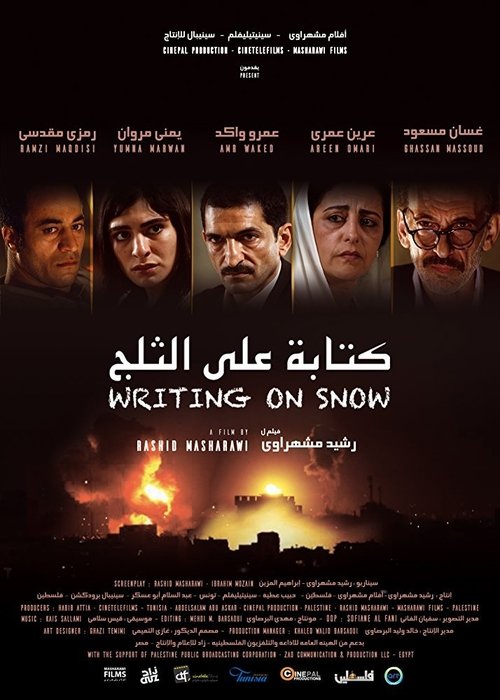
Writing on Snow 2017
Rashid Masharawi's *Writing on Snow (2017)* unfolds like an intimate meditation on the fractures tearing through the modern Arab world, where religion, geography, and intellect collide in a storm of clashing ideologies.
Director: Rashid Masharawi
Cast



Frequently Asked Questions
What is Writing on Snow (2017) about?
The film dives into the rifts splitting the Arab world through the lens of ideology, geography, and intellect, following a group of characters as they search for the truths buried beneath their differences. It's a story of self-discovery set against a backdrop of societal upheaval, where personal struggles reflect unresolved fractures in the broader community.
Who directed Writing on Snow?
The film was directed by Rashid Masharawi, a Palestinian filmmaker known for his incisive storytelling and exploration of Arab societal tensions.
Who stars in Writing on Snow?
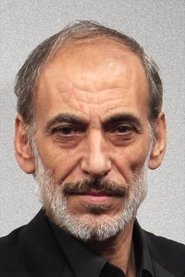
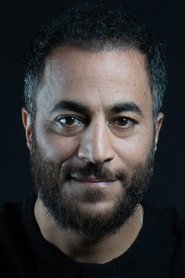
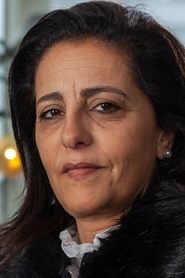
The film features Ghassan Massoud, Ramzi Maqdisi, Areen Omari, Amr Waked, and Yumna Marwan in key roles, with Khaled Abol Naga rounding out the ensemble.
Is Writing on Snow (2017) worth watching?
While it's not a mainstream crowd-pleaser, *Writing on Snow* offers a thought-provoking meditation on identity and ideology that fans of cerebral dramas will appreciate. Its themes are timely, and its intimate approach to larger social issues makes it a compelling watch for those seeking substance over spectacle.
How long is Writing on Snow?
The film has a runtime of 90 minutes.
Writing on Snow (2017): A Drama of Ideologies and Identity — Full Movie Info
Rashid Masharawi's *Writing on Snow (2017)* unfolds like an intimate meditation on the fractures tearing through the modern Arab world, where religion, geography, and intellect collide in a storm of clashing ideologies. At its heart, the film follows a tight-knit group of individuals—each grappling with their own identity amid the chaos—on a quest for hidden truths that linger beneath the surface of their fractured reality. With the weight of history pressing down, their personal journeys become a microcosm of broader societal divides, captured in stark, haunting visuals that mirror the emotional toll of division. Ghassan Massoud, Ramzi Maqdisi, and Areen Omari lead the ensemble cast, their performances grounding the film's philosophical weight in raw, human vulnerability.
This isn't just another drama—it's a slow-burn revelation, where every conversation feels like a negotiation and every silence speaks volumes. Masharawi crafts a world where the personal and political blur, leaving viewers to question where one ends and the other begins. The result is a film that lingers long after the credits roll, its themes of introspection and unity resonating in an era of perpetual discord.