When the Wife's Away 1946
In the charming 1946 comedy short *When the Wife's Away*, Hugh Herbert stars as a branch manager at Korny Krunchies Breakfast Food who finds himself in a hilariously awkward situation.
Director: Edward Bernds
Cast
Frequently Asked Questions
What is *When the Wife's Away* (1946) about?
Hugh Herbert plays a nervous branch manager who invites his boss to an anniversary dinner—without his wife's knowledge. What follows is a series of disastrous but uproarious attempts to salvage the evening, blending workplace pressure with domestic comedy.
Who directed *When the Wife's Away*?
Edward Bernds, known for his work on *The Three Stooges* films and other shorts, directed this 1946 comedy.
Who stars in *When the Wife's Away*?
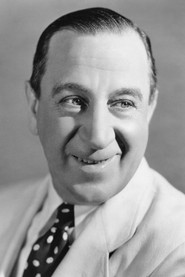
Hugh Herbert headlines this short film, bringing his trademark comedic timing to the role of the flustered manager.
Is *When the Wife's Away* (1946) worth watching?
As a well-crafted comedy short from the 1940s, it's a fun time capsule for fans of classic slapstick and lighthearted farce. Its brisk runtime and Herbert's performance make it an enjoyable watch, especially for those who appreciate nostalgic humor.
How long is *When the Wife's Away*?
The film runs for 17 minutes, making it a perfect quick pick for a light laugh.
When the Wife's Away (1946): A Classic Comedy Short You Won't Forget
In the charming 1946 comedy short *When the Wife's Away*, Hugh Herbert stars as a branch manager at Korny Krunchies Breakfast Food who finds himself in a hilariously awkward situation. Tasked with bringing his boss home for a celebratory dinner on their anniversary, he scrambles to pull off the perfect meal—only to discover his wife's absence creates more chaos than control. Directed with snappy pacing by Edward Bernds, this lighthearted farce thrives on cringe-worthy moments and Herbert's signature bumbling charm, making it a delightful slice of mid-century entertainment.
With its breezy runtime and playful exploration of marital mishaps, *When the Wife's Away* captures the comedic gold of simple misunderstandings and the pressure of social expectations. The film's genial atmosphere and Herbert's expressive performance turn what could've been a recipe for disaster into a recipe for laughs, offering a nostalgic peek into the domestic comedies of the era.