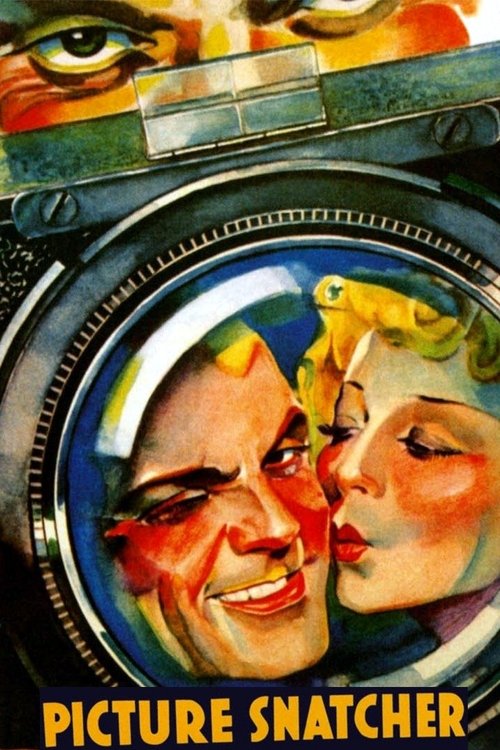
Picture Snatcher 1933
"His camera takes 'em from love nests to Page One before they can bat an eye---or put on a negligee!"
In the gritty 1930s underworld of New York City, *Picture Snatcher (1933)* follows Danny Kean, a quick-witted ex-con who trades his criminal past for a career behind the camera.
Director: Lloyd Bacon
Cast


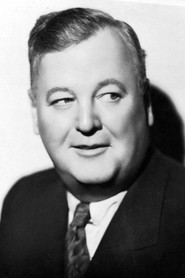
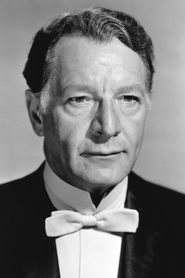
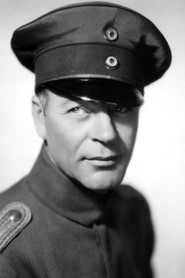

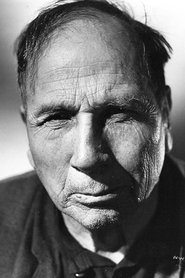
Frequently Asked Questions
What is Picture Snatcher (1933) about?
*Picture Snatcher (1933)* tells the story of Danny Kean, a former convict who reinvents himself as a photojournalist for a sensational newspaper. His camera becomes his weapon, capturing everything from love nests to crime scenes before the subjects even realize it.
Who directed Picture Snatcher?
The film was directed by Lloyd Bacon, a versatile filmmaker known for blending drama and comedy in his works.
Who stars in Picture Snatcher?
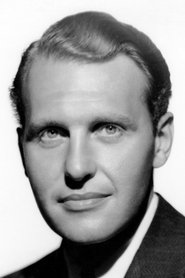
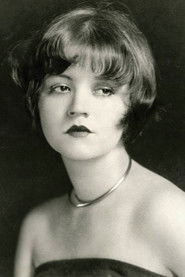
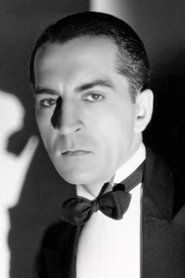
James Cagney headlines the cast alongside Ralph Bellamy, Patricia Ellis, Alice White, and Ralf Harolde.
Is Picture Snatcher (1933) worth watching?
As a classic blend of crime and comedy, *Picture Snatcher (1933)* offers a fascinating glimpse into 1930s journalism and James Cagney's dynamic performances. While not widely rated today, its energetic style and historical charm make it a hidden gem for fans of early sound-era cinema.
How long is Picture Snatcher?
The runtime for *Picture Snatcher (1933)* is 77 minutes.
About Picture Snatcher (1933) — James Cagney's Gritty Crime-Comedy Photo Journalism Drama
In the gritty 1930s underworld of New York City, *Picture Snatcher (1933)* follows Danny Kean, a quick-witted ex-con who trades his criminal past for a career behind the camera. Directed by Lloyd Bacon and starring James Cagney in a role that blends charm with edge, this crime-comedy dives into the cutthroat world of tabloid photojournalism. As Danny snaps scandalous shots for a sensational newspaper, he navigates moral dilemmas between ambition and integrity, all while dodging the law and outsmarting rivals.
With its snappy dialogue and high-energy pacing, *Picture Snatcher (1933)* captures the golden age of newspaper scandals, where every photograph tells a story—and some tell too much. The film's themes of redemption and opportunism resonate against a backdrop of smoky backrooms and bustling city streets, making it a standout in early sound-era cinema.