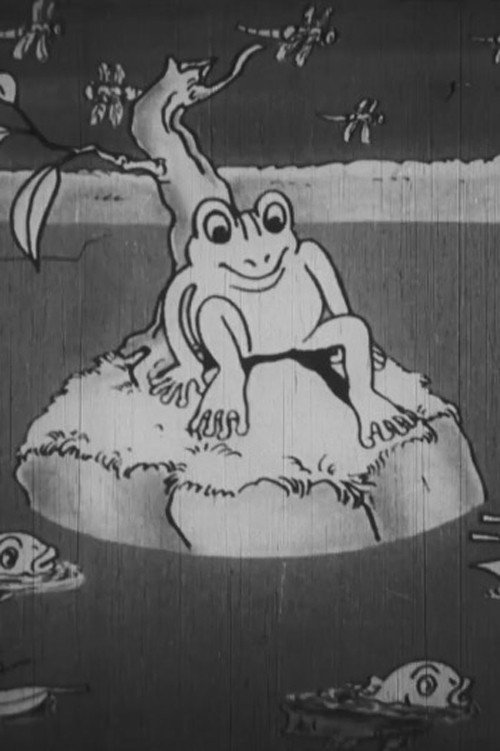
My Big Emergency 1936
My Big Emergency (1936) represents an intriguing piece of early Japanese animation history. This brief yet notable short film, directed by pioneering animator Sanae Yamamoto, offers viewers a glimpse into the nascent days of anime filmmaking.
Director: Sanae Yamamoto
Frequently Asked Questions
What is My Big Emergency (1936) about?
This 1936 Japanese animated short presents a brief narrative that captures the creative experimentation of early anime filmmaking. While specific plot details are limited, the film represents an important milestone in the development of Japanese animation as an art form.
Who directed My Big Emergency?
The film was directed by Sanae Yamamoto, a pioneering figure in Japanese animation who helped establish many of the techniques and storytelling approaches that would define the industry.
Who stars in My Big Emergency?
Cast information for My Big Emergency is not currently available.
Is My Big Emergency (1936) worth watching?
Given its historical significance as an early example of Japanese animation, this short film is worth watching for animation enthusiasts and those interested in film history, despite its brief runtime and unrated status.
How long is My Big Emergency?
The film runs for 11 minutes.
About My Big Emergency (1936) — Early Japanese Animation Short Film
My Big Emergency (1936) represents an intriguing piece of early Japanese animation history. This brief yet notable short film, directed by pioneering animator Sanae Yamamoto, offers viewers a glimpse into the nascent days of anime filmmaking. At just 11 minutes long, the film showcases the experimental spirit and creative vision that would later define Japanese animated cinema.
The animation style reflects the artistic sensibilities of the 1930s, when filmmakers were exploring new ways to tell stories through moving illustrations. While details about the specific plot remain limited, this short film serves as an important historical artifact for animation enthusiasts and scholars interested in the evolution of Japanese cinema. The brevity of the runtime doesn't diminish its significance as a cultural document from a pivotal era in film history.