Die Verschwörung des Fiesco zu Genua 1964
Heinrich Koch's 1964 adaptation of Friedrich Schiller's historical drama plunges viewers into the shadowy intrigues of Renaissance Genoa, where noblemen and merchants plot in candlelit chambers and grand ballrooms alike.
Director: Heinrich Koch
Cast


Frequently Asked Questions
What is Die Verschwörung des Fiesco zu Genua (1964) about?
The film unfolds in Genoa during the Renaissance, where Count Fiesco orchestrates a daring plot to overthrow the Doge and seize the city's reins of power. As noble families gather under glittering facades, hidden knives and betrayals lurk beneath every elegant gesture and whispered secret.
Who directed Die Verschwörung des Fiesco zu Genua?
Heinrich Koch directed the 1964 adaptation, crafting a stark, dialogue-driven drama from Schiller's classic play.
Who stars in Die Verschwörung des Fiesco zu Genua?
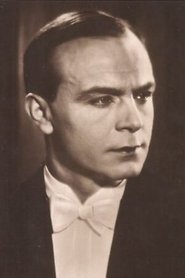
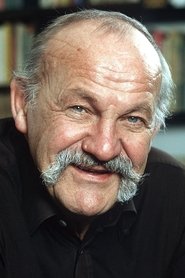
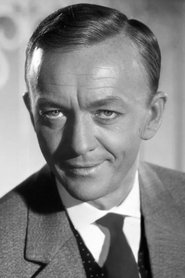
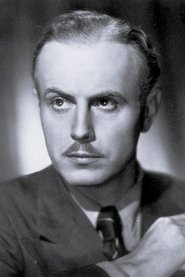
The ensemble features Paul Hartmann as Count Fiesco, Siegfried Wischnewski, Hannes Messemer, Hans Nielsen, and Herbert Weißbach, with Ruth Niehaus rounding out the principal cast.
Is Die Verschwörung des Fiesco zu Genua (1964) worth watching?
Even without an IMDb rating, the film's historical gravitas and Koch's atmospheric direction make it a compelling watch for fans of classical drama. Its themes of power and betrayal still resonate today, offering rich material for fans of period intrigue and sharp dialogue.
How long is Die Verschwörung des Fiesco zu Genua?
Runtime details are not listed.
About Die Verschwörung des Fiesco zu Genua (1964) — Schiller's Renaissance conspiracy brought to life in black-and-white drama
Heinrich Koch's 1964 adaptation of Friedrich Schiller's historical drama plunges viewers into the shadowy intrigues of Renaissance Genoa, where noblemen and merchants plot in candlelit chambers and grand ballrooms alike. At the heart of the story stands Count Fiesco, a charismatic aristocrat whose charm masks a ruthless ambition to topple the ruling Doge and seize power for himself. As alliances shift and betrayals fester beneath golden masks and silk doublets, the film captures the cloying scent of ambition and the sharp tang of danger that permeates Italy's 16th-century corridors of power.
With a cast led by screen legends Paul Hartmann and Hannes Messemer, the production channels the brooding intensity of Schiller's verse into stark black-and-white visuals that heighten every whispered secret and every drawn dagger. Clashing ideals of liberty and tyranny echo through the dialogue, turning Die Verschwörung des Fiesco zu Genua (1964) into more than a costume drama—it becomes a timeless meditation on the cost of power and the fragility of trust.