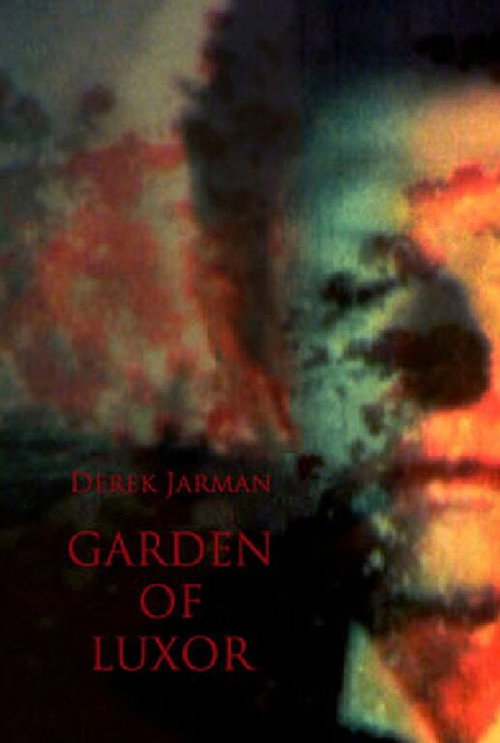
Garden of Luxor 1973
Derek Jarman's *Garden of Luxor* (1973) is a hypnotic nine-minute avant-garde film that blends surreal imagery with raw, dreamlike energy.
Director: Derek Jarman
Cast
Frequently Asked Questions
What is Garden of Luxor (1973) about?
*Garden of Luxor* is a silent avant-garde short that immerses viewers in a surreal visual journey through Egypt's landmarks and mysteries. The film layers fragmented images—pyramids, shimmering gardens, and ritualistic acts—into a cohesive, dreamlike whole.
Who directed Garden of Luxor?
Derek Jarman, the acclaimed British filmmaker known for his bold visual style and boundary-pushing cinema.
Who stars in Garden of Luxor?
The film features Karl Bowen and Christopher Hobbs as key figures within its experimental narrative.
Is Garden of Luxor (1973) worth watching?
While it's a niche avant-garde piece, Jarman's *Garden of Luxor* offers a fascinating glimpse into early 1970s experimental cinema. Its short runtime and striking visuals make it a compelling watch for fans of surreal, non-narrative films.
How long is Garden of Luxor?
The film runs for 9 minutes.
About Garden of Luxor (1973) — Derek Jarman's hypnotic nine-minute surrealist film
Derek Jarman's *Garden of Luxor* (1973) is a hypnotic nine-minute avant-garde film that blends surreal imagery with raw, dreamlike energy. The silent short unfolds through layered, reddish-hued visuals—Egyptian landscapes, looming pyramids, and fragmented glimpses of a mysterious garden scarred by fleeting violence. Amidst the chaos, Jarman captures moments of stillness: a tranquil figure reclining on the ground, figures consumed by odd rituals like smoking or devouring insects. It's a disorienting yet mesmerizing meditation on time, decay, and the elusive allure of ancient civilizations.
Stripped of dialogue, *Garden of Luxor* relies entirely on its visual poetry, where myth and modernity collide. Jarman's experimental approach transforms the film into a feverish dreamscape, inviting viewers to interpret its cryptic scenes rather than decipher them. The result is less a narrative and more a sensory experience—a fleeting glimpse into a hidden world where beauty and destruction intertwine.