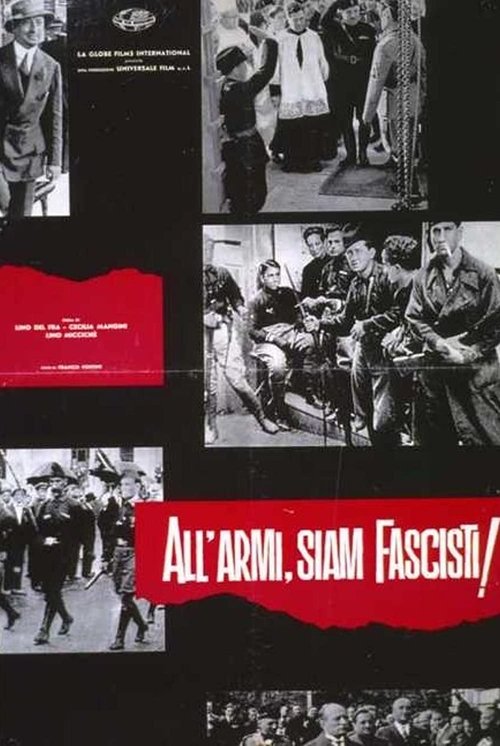
To Arms, We Are Fascists! 1962
Step back to early 20th-century Italy with *To Arms, We Are Fascists!* (1962), a gripping historical documentary crafted by director Lino Del Fra.
Director: Lino Del Fra
Cast


Frequently Asked Questions
What is *To Arms, We Are Fascists!* (1962) about?
This documentary chronicles Italy's transformation from the early 1900s through the fall of Fascism after World War II, blending archival footage with poetic narration. It captures both the seductive power of authoritarian regimes and the fragile emergence of democratic hope in the 1960s.
Who directed *To Arms, We Are Fascists!?*
Lino Del Fra, an Italian filmmaker known for politically engaged documentaries, directed the film.
Who stars in *To Arms, We Are Fascists!?*
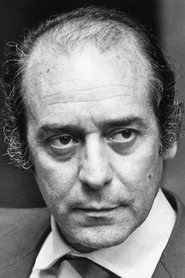
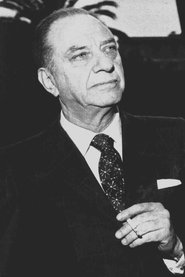
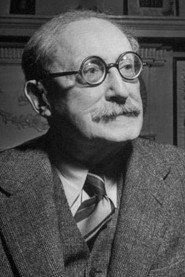
The documentary features the voices of Giancarlo Sbragia, Emilio Cigoli, and Nando Gazzolo, with appearances by historical figures like Léon Blum and Eva Braun.
Is *To Arms, We Are Fascists!* (1962) worth watching?
As a deeply researched historical artifact, it offers rare insight into Italy's Fascist century. While not a mainstream drama, its poetic approach and archival richness make it compelling for documentary enthusiasts and history lovers seeking nuanced perspectives.
How long is *To Arms, We Are Fascists!?*
The film runs for 108 minutes, offering a dense yet immersive viewing experience.
To Arms, We Are Fascists! (1962): Inside Italy's Fascist Era Through Archival Eyes
Step back to early 20th-century Italy with *To Arms, We Are Fascists!* (1962), a gripping historical documentary crafted by director Lino Del Fra. Mined from public and private archives, the film stitches together five decades of Italian life—from the 1911 colonial clashes to the uneasy years after World War II. Through archival footage and a poet's lyrical commentary, it traces the rise of Fascism, its brutal grip on society, and the fragile rebirth of democracy by 1961. Del Fra and narrator Giancarlo Sbragia guide viewers through a haunting panorama of marches, speeches, and whispers that shaped a nation.
A visual poem of caution, the documentary balances the grandeur of nationalist spectacle with the quiet resilience of everyday people. It doesn't just recount history; it lets the images speak—soldiers marching, crowds cheering, faces scarred by war—all woven together by the director's sharp thematic focus. The result is a sobering exploration of power, identity, and the cost of forgetting, ideal for history buffs and anyone drawn to cinematic storytelling rooted in truth.