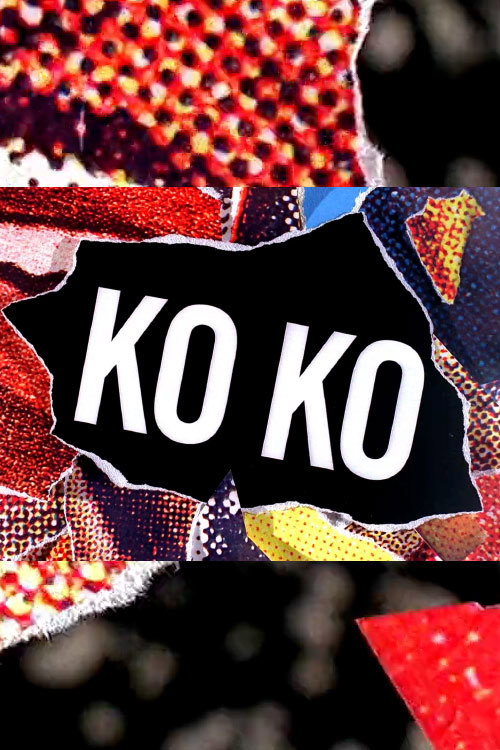
Ko-Ko 1988
Dive into the hypnotic world of *Ko-Ko (1988)*, a mesmerizing 4-minute animation crafted by indie visionary George Griffin.
Director: George Griffin
Frequently Asked Questions
What is Ko-Ko (1988) about?
*Ko-Ko* is a dazzling 4-minute animated short that turns Charlie Parker's 1945 jazz masterpiece into a whirlwind of torn Pop Art imagery. The film merges consumer culture's visual chaos with Parker's explosive saxophone, creating a hypnotic collision of art and music. It's less a narrative and more a sensory overload—intoxicating, abstract, and unforgettable.
Who directed Ko-Ko?
George Griffin, an acclaimed American indie animator known for his experimental and avant-garde style, directed *Ko-Ko*.
Who stars in Ko-Ko?
While the film itself is a visual and auditory spectacle, its star is the iconic jazz composition *Ko-Ko* by Charlie Parker.
Is Ko-Ko (1988) worth watching?
*Ko-Ko* is a niche gem for animation and jazz enthusiasts, offering a unique blend of musical brilliance and abstract artistry. Though it's a short, its intensity and creativity make it a standout in Griffin's filmography. If you love experimental works, it's a must-see—but don't expect a conventional experience.
How long is Ko-Ko?
The runtime for *Ko-Ko* is approximately 4 minutes.
About Ko-Ko (1988) — The Ultimate Jazz-Infused Animation Experience
Dive into the hypnotic world of *Ko-Ko (1988)*, a mesmerizing 4-minute animation crafted by indie visionary George Griffin. This experimental short transforms Charlie Parker's iconic 1945 jazz track into a visual feast of fragmented Pop Art imagery, where consumer culture collides in a whirlwind of color and motion. Griffin's frenetic cuts and Parker's electrifying saxophone create a surreal synesthesia, blending sight and sound into a dizzying, rhythmic dance. The film's raw energy and avant-garde style make it a cult favorite for fans of abstract animation and jazz fusion.
Delve into the chaos of mid-century Americana as *Ko-Ko* dissects the visual language of ads, magazines, and pop icons, only to reassemble them into a fleeting, pulsating collage. Griffin's work here isn't just a tribute to Parker's genius—it's a commentary on the fragmented nature of modern culture, where images and ideas collide at breakneck speed. This isn't just a film; it's an experience for those who crave something bold, chaotic, and undeniably cool.