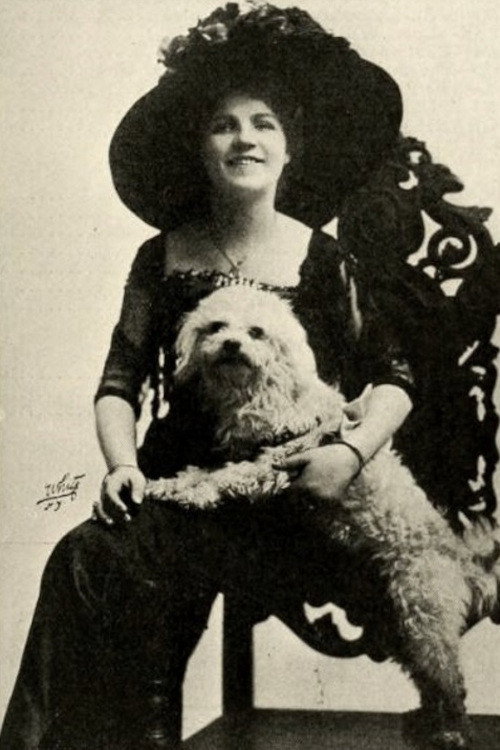
The Rose's Story 1911
Lost in time, The Rose's Story (1911) is a forgotten cinematic treasure from the early days of filmmaking. Directed by Joseph W. Smiley, this short film tells the story of Gerald Kinney, a wealthy man who stumbles upon a charming country maiden named Myrtle Edgar.
Director: Joseph W. Smiley
Cast


Frequently Asked Questions
What is The Rose's Story (1911) about?
The film follows the story of Gerald Kinney, a wealthy man who encounters a charming country maiden and experiences a newfound sense of purity and innocence.
Who directed The Rose's Story?
The film was directed by Joseph W. Smiley.
Who stars in The Rose's Story?
The film features a cast that includes King Baggot, Lucille Young, and Mary Pickford.
Is The Rose's Story (1911) worth watching?
Although The Rose's Story (1911) is a lost film, its historical significance and ability to transport viewers to a bygone era make it a fascinating watch for film enthusiasts.
How long is The Rose's Story?
The film has a runtime of 10 minutes.
About The Rose's Story (1911) — A Lost Treasure of Early Cinema
Lost in time, The Rose's Story (1911) is a forgotten cinematic treasure from the early days of filmmaking. Directed by Joseph W. Smiley, this short film tells the story of Gerald Kinney, a wealthy man who stumbles upon a charming country maiden named Myrtle Edgar. As he navigates his encounter with Myrtle, he experiences a newfound sense of purity and innocence, symbolized by the roses that bloom in their picturesque surroundings.
The film's themes of love, morality, and the clash of worlds between the urban and rural communities are woven into a narrative that is as much about the characters' emotional journeys as it is about the physical landscape. With a cast that includes King Baggot and Lucille Young, The Rose's Story is a rare glimpse into the world of early cinema. Although the film's runtime is a mere 10 minutes, its impact is felt long after the credits roll.
As a lost film, The Rose's Story (1911) remains an enigma, a mystery waiting to be unraveled by film enthusiasts and historians. Its significance lies not only in its historical value but also in its ability to transport viewers to a bygone era, a time when the boundaries between reality and fiction were blurred.