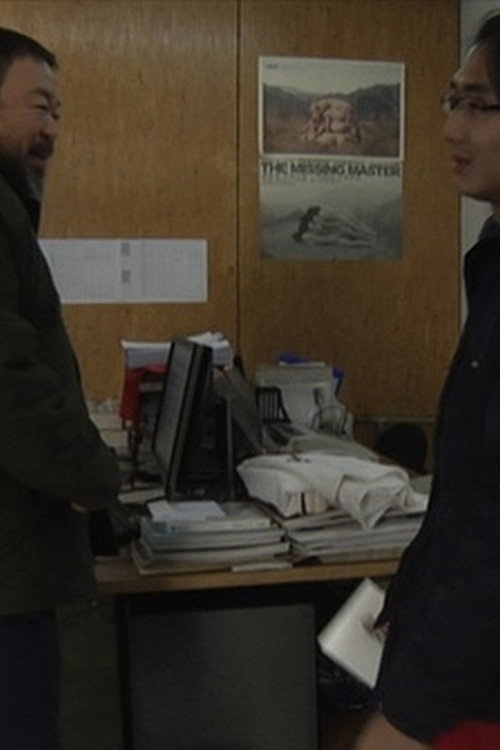
KUN 13: Criticizing Ai Weiwei and Wu Haohao 2012
KUN 13: Criticizing Ai Weiwei and Wu Haohao (2012) delivers a raw, unfiltered dive into artistic confrontation and creative tension.
Director: Wu Haohao
Cast
Frequently Asked Questions
What is KUN 13: Criticizing Ai Weiwei and Wu Haohao (2012) about?
This documentary stages a direct confrontation between filmmaker Wu Haohao and artist Ai Weiwei, exploring their conflicting views on art, influence, and responsibility. The film documents their heated exchanges as mutual criticism unfolds, revealing deeper questions about artistic integrity and public dissent.
Who directed KUN 13: Criticizing Ai Weiwei and Wu Haohao?
The film was directed by Wu Haohao, who also appears on screen engaging in debate with Ai Weiwei.
Who stars in KUN 13: Criticizing Ai Weiwei and Wu Haohao?
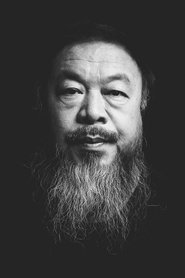
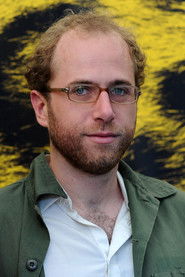
The documentary features Ai Weiwei, Wu Haohao, anthropologist and filmmaker J.P. Sniadecki, and actor Chen Kun.
Is KUN 13: Criticizing Ai Weiwei and Wu Haohao (2012) worth watching?
While lacking an IMDb rating, this short but intense documentary offers a fascinating glimpse into artistic controversy and intellectual debate. Fans of real-life drama and documentary cinema will appreciate its unfiltered honesty and thematic depth, especially those interested in Ai Weiwei's work and the politics of art.
How long is KUN 13: Criticizing Ai Weiwei and Wu Haohao?
The film runs for 45 minutes.
About KUN 13: Criticizing Ai Weiwei and Wu Haohao (2012) — A raw documentary on artistic confrontation
KUN 13: Criticizing Ai Weiwei and Wu Haohao (2012) delivers a raw, unfiltered dive into artistic confrontation and creative tension. Directed by Wu Haohao, this 45-minute documentary stages a charged dialogue between the filmmaker and internationally renowned artist Ai Weiwei, capturing their starkly opposing perspectives on art, politics, and personal integrity. Shot in documentary style, the film thrives on authenticity, stripping away pretense to reveal the friction beneath the surface of collaboration. The atmosphere is tense yet intimate, as power dynamics shift between two strong personalities navigating mutual criticism without compromise. Themes of artistic sovereignty, freedom of expression, and the ethics of dissent emerge naturally, framed through a lens of real-world urgency.
As a portrait of creative clash, KUN 13 offers more than a behind-the-scenes look—it becomes a study of principle and provocation. The film's concise runtime keeps the intensity focused, drawing viewers into a charged exchange that feels both personal and universally relevant. It's ideal for audiences who crave documentary depth with emotional stakes, where ideas collide as visibly as the individuals behind them.