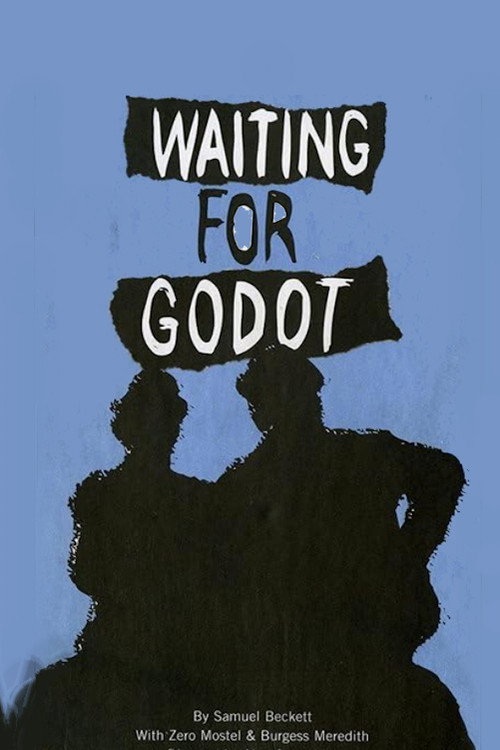
Waiting for Godot 1961
Waiting for Godot (1961) brings Samuel Beckett's absurdist masterpiece to life under Alan Schneider's direction, following two tramps as they endure an endless wait for a mysterious figure named Godot.
Director: Alan Schneider
Cast
Frequently Asked Questions
What is Waiting for Godot (1961) about?
The film follows two homeless men, Vladimir and Estragon, as they cling to the hope of meeting a man named Godot on a desolate roadside. Their endless wait becomes a surreal exploration of meaning, friendship, and the absurdity of human existence.
Who directed Waiting for Godot?
Alan Schneider directed Waiting for Godot, bringing Beckett's vision to life with precision and emotional depth.
Who stars in Waiting for Godot?
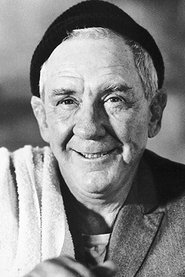
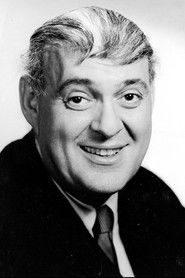
The film features Burgess Meredith and Zero Mostel as the two tramps, with Kurt Kasznar, Alvin Epstein, and Luke Halpin rounding out the cast.
Is Waiting for Godot (1961) worth watching?
While unrated on IMDb, Waiting for Godot is a landmark in absurdist cinema, blending dark comedy with existential weight. Its unique premise and stellar performances make it a must-see for lovers of thought-provoking theater and film.
How long is Waiting for Godot?
Waiting for Godot (1961) runs for 104 minutes.
About Waiting for Godot (1961) — Two Tramps, Endless Waiting, and a Play That Defies Time
Waiting for Godot (1961) brings Samuel Beckett's absurdist masterpiece to life under Alan Schneider's direction, following two tramps as they endure an endless wait for a mysterious figure named Godot. Burgess Meredith and Zero Mostel embody the weary, philosophical duo with sharp wit and melancholy, their banter masking deeper themes of futility and human connection. The film's stark, minimalist setting mirrors the play's stark themes—time slipping away, the weight of nothingness, and the fragile bonds between strangers. As the characters grapple with uncertainty, the story evolves into a poignant meditation on existence itself, blending dark humor with profound despair.
The genius of Waiting for Godot (1961) lies in its refusal to provide answers, instead inviting viewers to confront the void alongside its protagonists. The director's deft handling of Beckett's dialogue ensures the comedy and tragedy coexist, creating an unforgettable cinematic experience that lingers long after the credits roll.