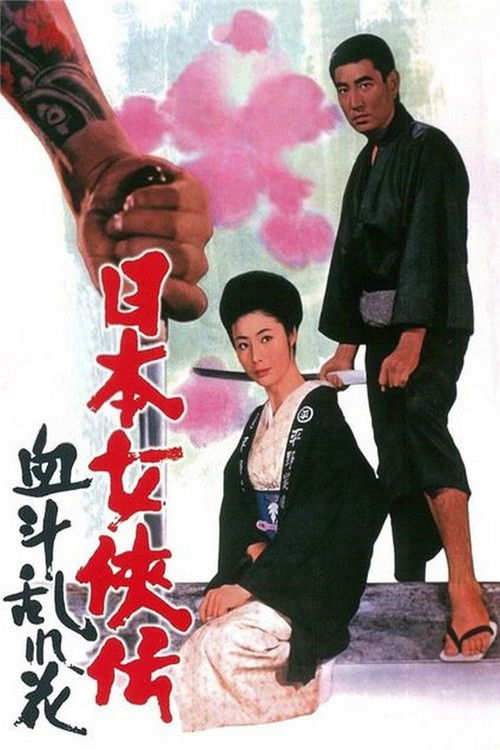
Bloodiest Flower 1971
Dive into the gripping world of Bloodiest Flower (1971), a hard-hitting Japanese drama directed by Kōsaku Yamashita.
Director: Kōsaku Yamashita
Cast


Frequently Asked Questions
What is Bloodiest Flower (1971) about?
Bloodiest Flower (1971) tells the story of Tei, a widow who steps into the male-dominated coal mining industry to save her operation. As she faces harsh conditions and rival gangs, her determination is tested in every way. The film blends drama, action, and crime into a gripping narrative of survival.
Who directed Bloodiest Flower?
Bloodiest Flower was directed by Kōsaku Yamashita, a filmmaker known for his skillful blending of drama and action.
Who stars in Bloodiest Flower?
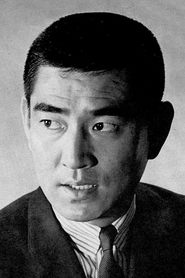
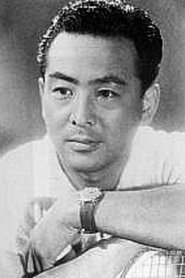
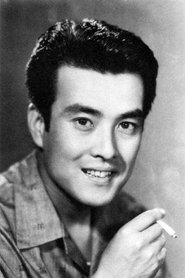
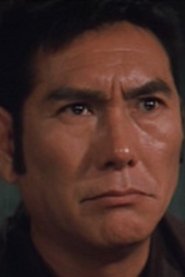
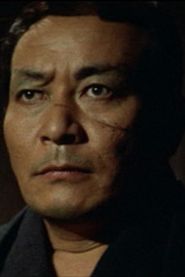
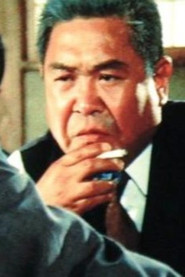
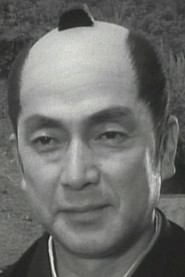
The film stars Sumiko Fuji, Ken Takakura, Masahiko Tsugawa, Michitarō Mizushima, and Minoru Ōki, delivering powerful performances that drive the story forward.
Is Bloodiest Flower (1971) worth watching?
Bloodiest Flower is a solid choice for fans of gritty dramas and action-packed narratives. While it lacks an IMDb rating, its themes of resilience and strong characterizations make it a compelling watch. If you enjoy Japanese crime dramas with a touch of realism, this film is well worth your time.
How long is Bloodiest Flower?
Bloodiest Flower (1971) runs for 107 minutes.
🎥 Trailer
About Bloodiest Flower (1971) — A Gritty Tale of Resilience in a Male-Dominated World
Dive into the gripping world of Bloodiest Flower (1971), a hard-hitting Japanese drama directed by Kōsaku Yamashita. Set against the rugged backdrop of a coalmine, this film follows Tei (Junko Fuji), a resilient widow who defies societal norms by taking charge of a mining operation—a field dominated by men. As she battles the relentless challenges of the industry, Tei faces not only the physical hardships of mining but also the sinister threats from rival gangs who see her as an easy target. Yamashita's masterful direction infuses the story with raw tension and emotional depth, making this a standout in the drama genre.
Bloodiest Flower (1971) is a character-driven narrative that explores themes of perseverance, ambition, and survival in a male-dominated world. With stellar performances from Sumiko Fuji, Ken Takakura, and Masahiko Tsugawa, the film delivers a powerful portrayal of resilience and determination. The atmospheric tension and gritty realism make it a compelling watch for fans of crime dramas and action-packed narratives alike.