Exit 1997
Magnus Wallin's experimental 1997 short film *Exit* fuses classical art with cutting-edge animation, transforming the nightmarish visions of Hieronymus Bosch into a haunting digital escape.
Director: Magnus Wallin
Frequently Asked Questions
What is Exit (1997) about?
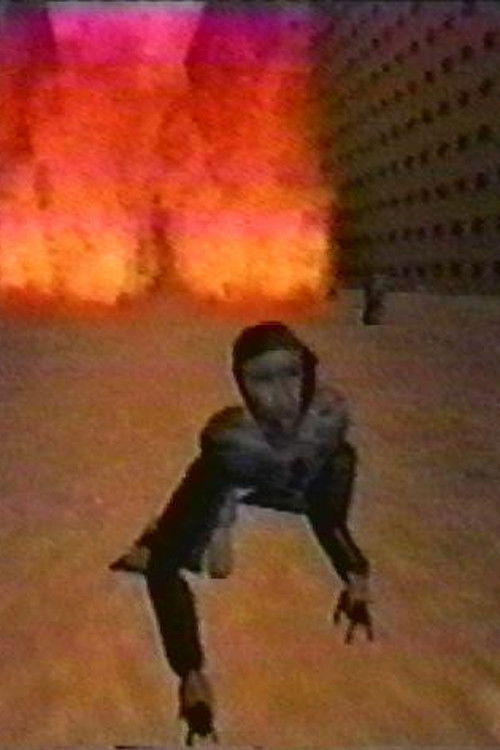
The film follows figures borrowed from Hieronymus Bosch's paintings as they desperately flee a massive wall of fire. Each time the fire overtakes a victim, the sound of rising applause fills the scene, creating a chilling blend of art, animation, and inevitability.
Who directed Exit?
Exit was directed by Magnus Wallin, a Swedish animator and filmmaker known for pushing the boundaries of digital animation in the 1990s.
Who stars in Exit?
Since this is an animation, the film doesn't feature traditional actors, but it incorporates figures inspired by Hieronymus Bosch's Renaissance-era paintings.
Is Exit (1997) worth watching?
As a three-minute experimental short, *Exit* is more of an artistic statement than a narrative experience. Its groundbreaking animation and bold reinterpretation of classic art make it a fascinating watch for fans of surreal cinema, even if it's more evocative than entertaining.
How long is Exit?
Exit (1997) runs for 3 minutes.
About Exit (1997) — A surreal 3-minute animation inspired by Hieronymus Bosch
Magnus Wallin's experimental 1997 short film *Exit* fuses classical art with cutting-edge animation, transforming the nightmarish visions of Hieronymus Bosch into a haunting digital escape. In this three-minute surreal journey, figures plucked from Bosch's iconic paintings flee a relentless wall of fire that engulfs each victim while thunderous applause rises in the distance. Wallin's groundbreaking use of Silicon Graphics technology lends the piece a stark, almost cinematic intensity, where the ancient and the modern collide in a fleeting but unforgettable tableau. The film's hypnotic rhythm and apocalyptic imagery explore themes of fate, inevitability, and the dramatic tension between art and destruction, leaving viewers both mesmerized and unsettled.
Though only minutes long, *Exit (1997)* packs a visual punch that captivated European audiences and critics alike, earning widespread acclaim for its bold approach. The piece's power lies in its ability to distill centuries-old art into a modern, motion-driven spectacle, where every frame feels like a brushstroke from a living nightmare. It's a fleeting yet unforgettable meditation on the cyclical nature of life and art.