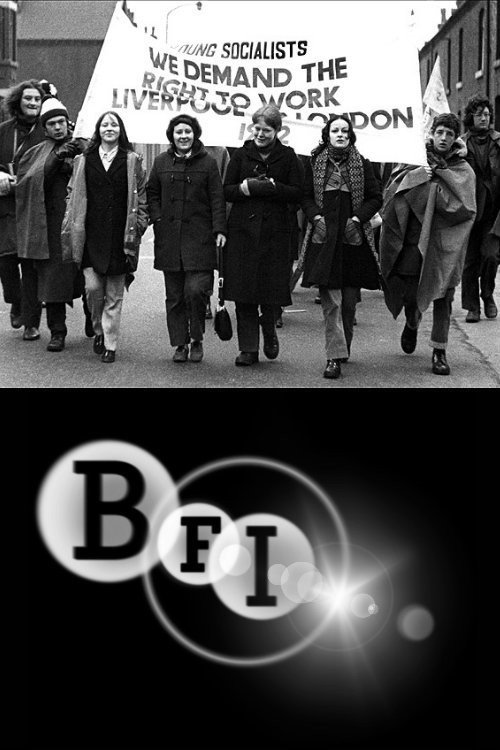
Right to Work March 1972
Right to Work March (1972) is a powerful documentary drama that captures the essence of a pivotal moment in history.
Cast



Frequently Asked Questions
What is Right to Work March (1972) about?
The film follows a group of young, unemployed individuals from Glasgow, Liverpool, and Swansea as they embark on a significant journey to London.
Who directed Right to Work March?
Director information is not available.
Who stars in Right to Work March?
Frances de la Tour, Tony Anscombe, and Wendy Bales lead the talented cast.
Is Right to Work March (1972) worth watching?
As an unrated documentary drama, Right to Work March may not have the most polished production, but its raw, unflinching portrayal of reality makes it a compelling watch for those interested in social justice and the struggles of the working-class.
How long is Right to Work March?
The film has a runtime of 42 minutes.
About Right to Work March (1972) — A Powerful Documentary Drama of Social Justice
Right to Work March (1972) is a powerful documentary drama that captures the essence of a pivotal moment in history. Directed by an unknown figure, the film follows a group of young, unemployed individuals from Glasgow, Liverpool, and Swansea as they embark on a significant journey to London. This poignant portrayal delves into the lives of those affected by unemployment and the impact it has on their communities. With a runtime of 42 minutes, Right to Work March is a thought-provoking exploration of the struggles faced by the working-class during a tumultuous period. The film features a talented cast, including Frances de la Tour, Tony Anscombe, and Wendy Bales, who bring depth and nuance to their characters. As the audience witnesses the determination and resilience of these individuals, they are reminded of the importance of fighting for one's rights and the power of collective action. With its raw, unflinching portrayal of reality, Right to Work March is a must-watch for anyone interested in documentaries, drama, and social justice.
This gripping drama is a poignant reminder of the struggles faced by the working-class during the 1970s. The film's focus on the lives of young, unemployed individuals and their march to London provides a unique perspective on the impact of unemployment on communities. With its powerful performances and thought-provoking themes, Right to Work March is a compelling watch that will leave viewers reflecting on the importance of standing up for one's rights.